


Finding Joy: Mental Health During Holidays
The holiday season is often celebrated as a time of joy, togetherness, and celebration. Yet, beneath the festive surface, many individuals find this period fraught with heightened stress and anxiety. Balancing the demands of family commitments, the financial pressures of gift-giving, and the pursuit of a flawless holiday experience can significantly impact mental health. In this article, we delve into effective strategies for maintaining mental health during the holidays, providing practical tips for self-care and stress relief that can help you navigate this challenging time with greater ease.
Understanding Holiday Stress
Why Are the Holidays Stressful?
The holidays can be a source of stress for numerous reasons. The societal pressure to orchestrate the perfect holiday experience can become overwhelming, as can the financial burden associated with purchasing gifts and hosting gatherings. Family expectations often add another layer of complexity, particularly for those navigating complicated family dynamics. Additionally, the disruption of daily routines can unsettle those who thrive on consistency, while the emphasis on social interactions can be daunting for individuals struggling with mental health issues such as social anxiety.
Moreover, the holiday season often comes with a heightened sense of nostalgia, which can trigger feelings of loss or longing for those who have experienced significant changes or losses in their lives. The constant barrage of holiday advertising and media portrayal of idealized family gatherings can exacerbate feelings of inadequacy or loneliness, further contributing to holiday stress. Recognizing these factors is crucial in understanding why the holidays can be a challenging time for many.
The Impact of Holiday Stress on Mental Health
Holiday stress can exacerbate existing mental health conditions, such as depression and anxiety, making them more difficult to manage. For individuals who do not typically experience mental health challenges, the pressures of the holiday season can trigger new symptoms, such as increased irritability, mood swings, or persistent feelings of sadness. It's important to recognize these signs early to manage stress effectively and prevent it from escalating into more serious mental health issues.
Additionally, holiday stress can impact physical health, with symptoms manifesting as headaches, digestive issues, or a weakened immune system. The interplay between mental and physical health means that managing stress is not only crucial for emotional well-being but also for maintaining overall health. By acknowledging the signs of holiday-related stress and addressing them proactively, individuals can mitigate its impact and enjoy a more balanced holiday season.
Tips for Maintaining Mental Health During the Holidays
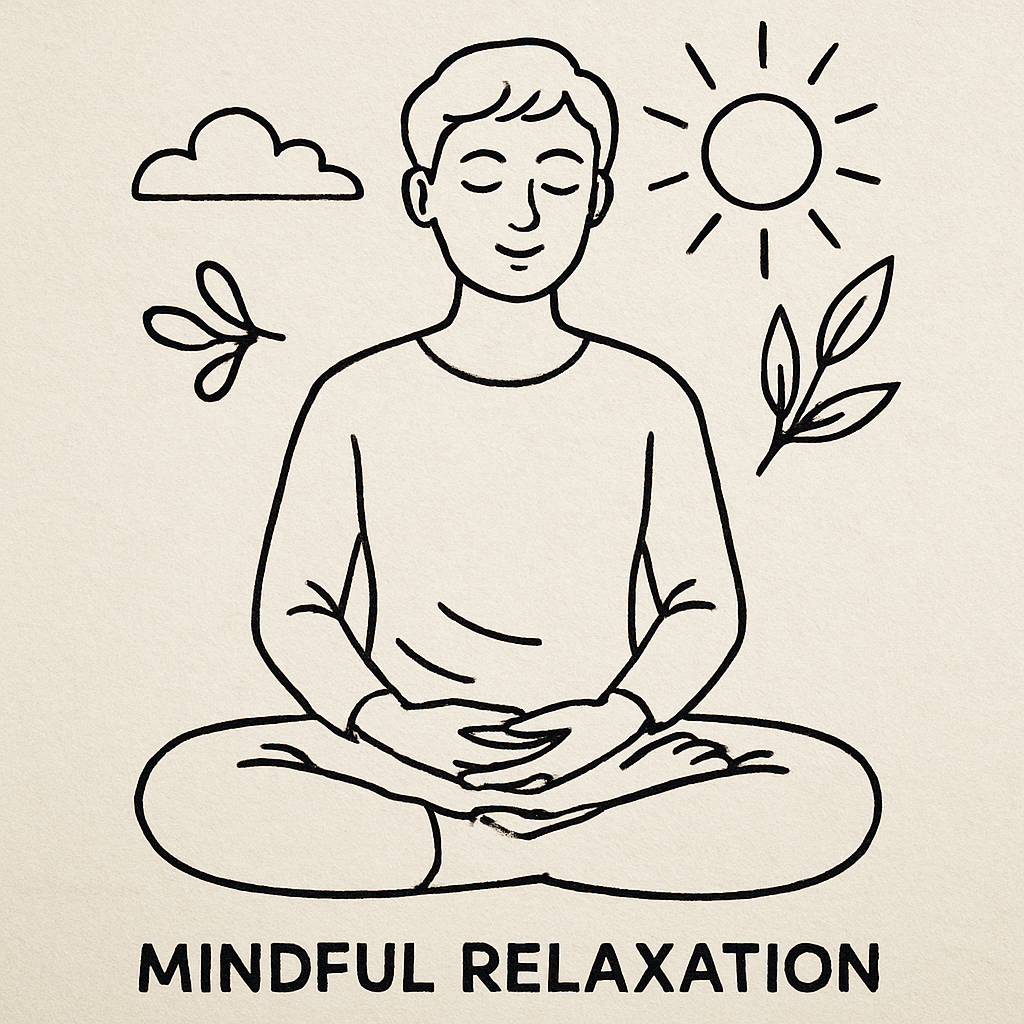
Practice Mindful Self-Care
Self-care becomes paramount during the holiday season as a means to counterbalance the external pressures. Allocating time for personal relaxation and reflection can significantly reduce stress and enhance overall well-being. Consider incorporating mindfulness practices such as meditation, yoga, or journaling into your daily routine. These activities can help center your thoughts and emotions, providing a sense of calm amidst the holiday chaos.
In addition to mindfulness practices, it is essential to engage in activities that bring you joy and relaxation. Whether it's reading a good book, taking a long bath, or going for a walk in nature, prioritize these moments of self-care. Remember that taking care of yourself is not a luxury but a necessity, especially during the demanding holiday season.
Set Realistic Expectations
Understanding that the holidays do not have to be perfect can be liberating. Setting realistic expectations for yourself and those around you can alleviate some of the self-imposed pressures associated with the season. Focus on the aspects of the holidays that truly matter to you, such as spending quality time with loved ones or engaging in meaningful traditions, and let go of the rest.
By identifying what is truly important, you can prioritize experiences that align with your values and bring genuine joy. This approach encourages a shift from perfectionism to authenticity, allowing you to embrace the imperfections that make the holiday season uniquely yours. Remember, it's the connections and moments of genuine happiness that create lasting memories, not the pursuit of an unattainable ideal.
Prioritize Your Health
Maintaining a healthy lifestyle is crucial for supporting mental health during the holidays. Ensure you get adequate sleep, as rest is foundational to emotional and physical well-being. Eating balanced meals can help regulate mood and energy levels, while regular exercise can boost endorphins, improving overall mood and resilience to stress.
In addition to the basics of sleep, nutrition, and exercise, consider incorporating relaxation techniques into your routine. Practices such as deep breathing, progressive muscle relaxation, or guided imagery can provide immediate relief from stress and enhance your ability to cope with the demands of the holiday season. Prioritizing your health in these ways can help you maintain a positive outlook and better manage holiday-related stress.
Manage Your Time Wisely
Effective time management is key to minimizing holiday stress. Planning ahead and prioritizing tasks can prevent last-minute rushes and reduce unnecessary pressure. Create a schedule that balances holiday preparations with downtime, ensuring you have moments to recharge and maintain your emotional health.
Consider using tools like calendars or planners to organize your tasks and commitments. Breaking tasks into manageable steps can prevent overwhelm and provide a sense of accomplishment as you complete each one. Remember to be flexible and adjust your plans as needed, allowing for unexpected changes without compromising your well-being.
Coping with Holiday Stress
Identify Your Stress Triggers
Understanding what triggers your holiday stress is essential for managing it effectively. Common stressors include crowded shopping centers, complex family dynamics, and financial concerns. Once you identify your triggers, you can develop strategies to address them, such as shopping online to avoid crowds or establishing boundaries with family members.
Awareness of your triggers also allows you to anticipate challenging situations and plan accordingly. For instance, if financial stress is a concern, creating a budget and sticking to it can alleviate anxiety around spending. By proactively addressing these stressors, you can reduce their impact and enjoy a more peaceful holiday season.
Develop a Support System
Having a strong support system can significantly influence how you cope with holiday stress. Reach out to friends, family, or mental health professionals who can provide guidance, empathy, and support during this time. Don't hesitate to ask for help when needed, whether it's sharing the load of holiday preparations or seeking emotional support.
In addition to leaning on your existing support network, consider joining support groups or online communities where you can connect with others experiencing similar challenges. Sharing experiences and coping strategies can foster a sense of camaraderie and reduce feelings of isolation. Remember, you don't have to navigate the holiday season alone—reaching out for support is a sign of strength, not weakness.

by Sarah Cervantes (https://unsplash.com/@scaitlin82)
Practice Gratitude
Focusing on gratitude can shift your perspective and improve your emotional well-being. Take time each day to reflect on the things you are thankful for, whether big or small, and consider expressing your gratitude to others. This practice can help you cultivate a more positive outlook during the holidays, counteracting negative emotions and fostering a sense of contentment.
Incorporating gratitude into your daily routine can be as simple as keeping a gratitude journal or sharing moments of thankfulness with loved ones. By regularly practicing gratitude, you can train your mind to focus on the positive aspects of your life, enhancing your overall sense of well-being and resilience to stress.
Limit Alcohol and Caffeine Consumption
Excessive consumption of alcohol and caffeine can negatively impact your mental health, particularly during a time of heightened stress. These substances can increase feelings of anxiety, disrupt sleep patterns, and contribute to mood swings. Try to limit your intake and opt for healthier alternatives, such as herbal teas or water, which can support your mental and physical well-being.
Being mindful of your consumption habits can prevent these substances from exacerbating holiday stress. Consider setting limits for yourself and finding alternative ways to unwind or celebrate, such as enjoying a soothing cup of chamomile tea or engaging in a relaxing hobby. By making conscious choices, you can support your mental health and maintain balance during the holidays.
Holiday Anxiety Tips
Breathe and Relax
Deep breathing exercises can help calm your mind and reduce anxiety by activating the body's relaxation response. Practice taking slow, deep breaths whenever you feel overwhelmed, focusing on the rhythm of your breath to bring yourself back to the present moment. This simple technique can help you regain a sense of control and focus during stressful situations.
In addition to deep breathing, consider incorporating other relaxation techniques, such as progressive muscle relaxation or guided imagery, into your routine. These practices can provide immediate relief from anxiety and help you cultivate a sense of calm amidst the holiday hustle and bustle. By prioritizing relaxation, you can enhance your ability to cope with holiday-related stress.
Stay Connected
Isolation can exacerbate feelings of anxiety and depression, making it important to stay connected with loved ones during the holiday season. Even if in-person gatherings are not possible, make an effort to maintain regular communication through virtual means, such as video calls or online chats. These interactions can provide comfort, reassurance, and a sense of belonging.
In addition to connecting with loved ones, consider reaching out to community groups or volunteer organizations. Engaging in activities that foster social connection and community involvement can enhance your sense of purpose and reduce feelings of isolation. By actively nurturing your social connections, you can bolster your emotional well-being and navigate the holidays with greater ease.
Create New Traditions
If old traditions no longer serve you or cause stress, consider creating new ones that align with your current values and lifestyle. This can bring a sense of renewal and joy to the holiday season, allowing you to celebrate in a way that feels authentic to you. Whether it's starting a new family ritual or exploring a different cultural tradition, embrace the opportunity to craft a holiday experience that resonates with you.
Creating new traditions can also provide a sense of empowerment, as you take control of your holiday experience and shape it in a way that prioritizes your well-being. By focusing on what truly matters to you, you can cultivate a more meaningful and fulfilling holiday season, free from the constraints of outdated expectations.
Managing Mental Health During the Holidays
Seek Professional Help
If holiday stress becomes overwhelming, seeking professional help can be beneficial. A mental health professional can provide guidance, support, and coping strategies tailored to your specific needs. Don't hesitate to reach out if you feel your mental health is being negatively impacted, as timely intervention can prevent stress from escalating into more serious issues.
In addition to therapy or counseling, consider exploring other forms of professional support, such as stress management workshops or mental health apps. These resources can offer practical tools and techniques to help you navigate the holiday season with greater resilience. Remember, seeking help is a proactive step towards maintaining your mental health and well-being.
Practice Compassion
Be kind to yourself during the holidays, recognizing that it's okay to feel stressed or anxious. Acknowledge that you're not alone in these feelings and that many others share similar experiences. Practicing self-compassion can help you navigate the holiday season with greater ease and resilience, allowing you to approach challenges with a more forgiving and understanding mindset.
Cultivating self-compassion involves treating yourself with the same kindness and care you would offer a friend. This practice can involve positive self-talk, setting healthy boundaries, or engaging in activities that nurture your well-being. By fostering a compassionate attitude towards yourself, you can enhance your ability to cope with holiday stress and find joy in the season.
Conclusion
The holiday season doesn't have to be a time of stress and anxiety. By implementing effective strategies for holiday self-care and stress relief, you can maintain your mental health and find joy in the season. Remember to prioritize your well-being, set realistic expectations, and seek support when needed. With these tools, you can enjoy a more balanced and fulfilling holiday experience, allowing you to create lasting memories that reflect the true spirit of the season. Embrace the opportunity to connect with loved ones, practice gratitude, and celebrate in a way that resonates with you, ensuring a joyful and meaningful holiday season.