

Online therapy effectiveness vs in-person: research insights
In today's fast-paced world, mental health care is more important than ever. Many people face stress, burnout, and emotional exhaustion. These challenges are common among corporate executives, teachers, and healthcare workers.
Therapy offers a path to healing and resilience. But how do you choose between online and in-person therapy? Each has its own benefits and challenges. When considering online therapy effectiveness alongside in-person care, it's helpful to reflect on your goals, schedule, and comfort with technology.
Online therapy has grown in popularity. It offers flexibility and convenience, making it accessible for busy professionals. You can connect with a therapist from the comfort of your home. This growth reflects rising interest in online mental health services and digital mental health options.
In-person therapy provides a personal connection. Some people find face-to-face interaction crucial for their healing process. It allows for non-verbal cues and body language.
Research shows that online therapy can be as effective as in-person therapy. Current evidence on the effectiveness of online therapy vs in-person therapy, as well as the effectiveness of online therapy vs face-to-face therapy, supports this for many conditions including anxiety and depression. But the choice depends on individual needs and preferences.
Online cognitive behavioral therapy (CBT) is effective for anxiety. Research on online cognitive behavioral therapy anxiety effectiveness indicates significant improvements for many clients. Teletherapy also offers a wider range of therapist options, with teletherapy effectiveness supported by growing research.
Privacy and confidentiality are important in online therapy. Secure platforms and practices are essential. The COVID-19 pandemic has accelerated the adoption of online therapy.
Choosing the right modality involves considering personal preferences and specific mental health conditions. Both online and in-person therapy require a strong therapeutic alliance. This ensures optimal outcomes for clients.
Summary
Research indicates online therapy is generally as effective as in-person care for anxiety, depression, and stress, with CBT showing strong results in both formats. Meta-analyses of online vs in-person mental health therapy effectiveness highlight comparable outcomes when care is well matched to client needs. Online therapy offers superior accessibility, flexibility, and therapist choice, while in-person sessions provide richer non-verbal cues and a deeper sense of connection---so individual needs and preferences should guide the decision. Privacy/security, technology reliability, and the strength of the therapeutic alliance are key determinants of outcomes in either modality. Hybrid models and digital tools are expanding options, pointing to a blended future tailored to lifestyle and clinical needs.
Understanding Online and In-Person Therapy: Definitions and Modalities
Therapy comes in many forms to meet diverse client needs. Understanding these approaches helps in making an informed decision.
Online therapy, also known as teletherapy or e-therapy, involves digital platforms. It uses video calls, chats, or emails for communication. This format has gained traction due to its accessibility and alignment with broader digital mental healthtrends.
In-person therapy offers face-to-face interaction in a therapist's office. It allows for a personal connection, which some clients value highly. Non-verbal cues and environment play a significant role here.
In both formats, therapists use a variety of modalities. These can include:
Cognitive Behavioral Therapy (CBT)
Psychodynamic Therapy
Mindfulness-Based Therapy
Interpersonal Therapy
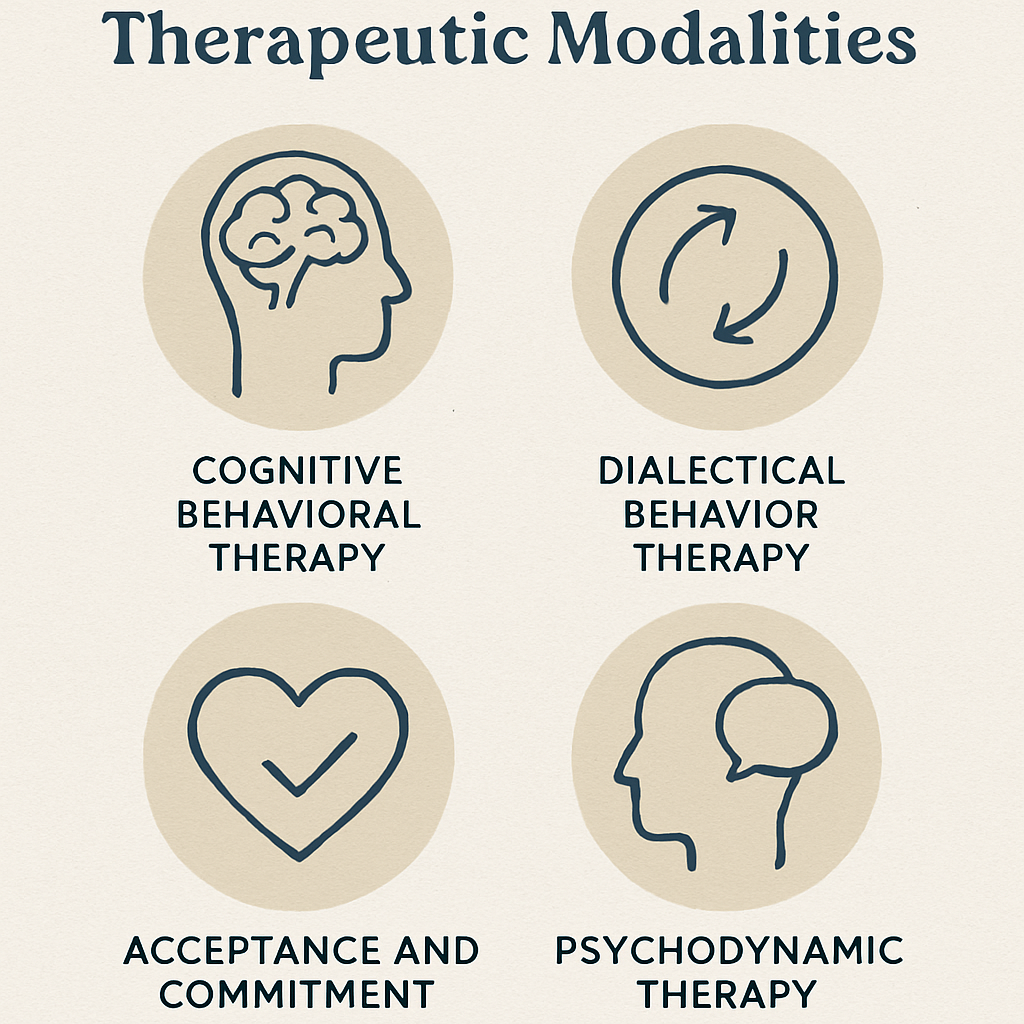
Cognitive Behavioral Therapy (CBT) is effective for treating anxiety and depression. It helps clients understand the link between thoughts, feelings, and behaviors. This modality is popular in both online and in-person settings.
Psychodynamic therapy explores past experiences and their influence on current behavior. This approach can be beneficial but may require face-to-face sessions for depth and nuance.
Mindfulness-based therapy incorporates practices like meditation and deep breathing. It's versatile, fitting well in both settings to reduce stress and increase self-awareness.
Therapists tailor these approaches to fit individual needs, considering factors like communication preferences and comfort with technology. The choice often depends on personal circumstances and the specific issues being addressed.
Overall, the essence of therapy remains consistent across modalities. Both forms aim to foster understanding, growth, and emotional well-being. The decision between online and in-person often rests on logistical needs and personal comfort.
The Rise of Online Mental Health Care: Trends and Drivers
The shift towards online mental health care has been remarkable. Technological advancements have fueled this transition, making mental health support more accessible than ever.
As life becomes busier, many individuals seek convenient therapy options. Online platforms offer flexibility that traditional settings may lack. This is particularly appealing to corporate executives, teachers, and healthcare workers with demanding schedules.
Several key trends and drivers have contributed to the growth of online therapy:
Advancements in telecommunication technology
Increased comfort with digital communication
Stigma reduction associated with mental health services
A surge in mental health awareness and education
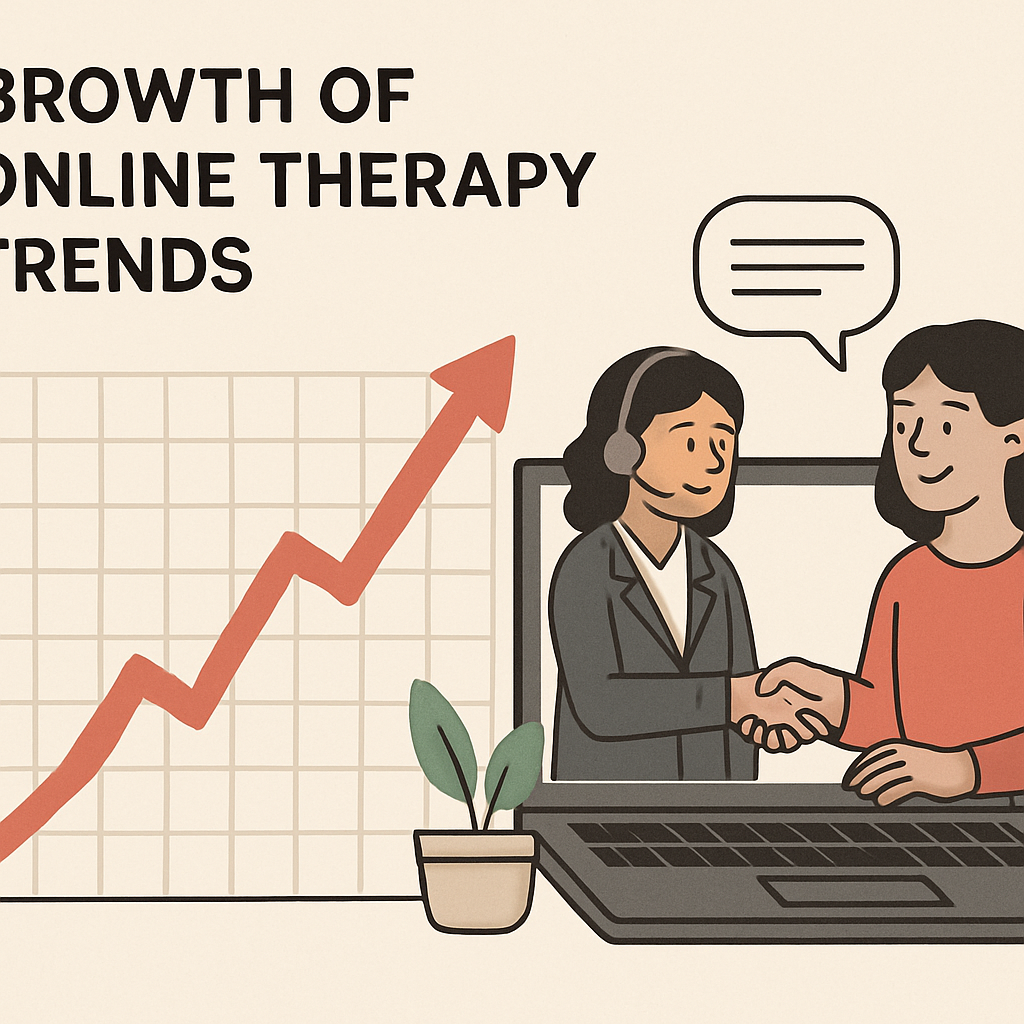
The COVID-19 pandemic further accelerated this trend. Social distancing measures necessitated remote therapy solutions. Both clients and therapists found value in virtual sessions, leading to increased adoption.
Additionally, digital tools empower clients to manage their mental health actively. Mobile apps and online resources complement therapy by offering skills-building exercises and mood tracking. These offerings sit within the broader digital mental health landscape, expanding access and personalization.
This growth reflects broader societal changes. Increasing mental health awareness and reducing stigma around seeking help are crucial. People are now more open to exploring new forms of therapy.
With these drivers, online mental health care has become a viable option. For many, it bridges the gap between need and accessibility. This evolution in mental health services continues to progress, shaping the future of therapeutic care. Online platforms are not just a temporary solution; they represent a lasting change in how mental health services are delivered.
Comparing Effectiveness: What Does the Research Say?
Numerous studies have explored the effectiveness of online therapy compared to traditional in-person sessions. Research consistently shows promising results, indicating that digital interventions are comparable to face-to-face therapy. Meta-analyses examining online vs in-person mental health therapy effectiveness generally find similar outcomes for common conditions when treatment is evidence-based and engagement is strong.
Online cognitive behavioral therapy (CBT) for anxiety is a key focus area. Studies suggest it can be as effective as in-person CBT for many individuals. Participants report reduced anxiety levels and improved coping mechanisms.
The flexibility of online therapy often leads to higher engagement. Clients appreciate the ability to schedule sessions at convenient times. This convenience can enhance commitment and, ultimately, the therapeutic outcome.
A significant area of interest is online therapy for depression and stress-related conditions. Research demonstrates that digital therapies can reduce symptoms significantly. This is especially relevant for individuals unable to access traditional therapy.
In contrast, some individuals may find in-person interactions more impactful. They value the immediate connection and the nuances of body language. This human touch can be crucial for building trust and rapport.

by Emma Ou (https://unsplash.com/@emmaou)
Key benefits of online therapy evidenced by research include:
Increased accessibility for remote or underserved areas
Reduced stigma around seeking therapy
Challenges, however, may include:
Dependence on a stable internet connection
Comfort and familiarity with digital platforms
Research also underscores online therapy's potential in couple's therapy. Studies show improvements in communication and relationship satisfaction, making it a viable alternative to face-to-face sessions. Emerging findings on online couples therapy effectiveness point to meaningful gains for many partners.
Overall, the effectiveness of therapy, whether online or in-person, hinges on several factors:
Quality of the therapeutic relationship
Client's motivation and engagement
Suitability of the therapy type for the individual's needs
The evidence presents a nuanced picture. Both modalities have their strengths and limitations. As digital and traditional therapies continue to coexist, ongoing research and adaptation will ensure they meet diverse client needs effectively. Evaluating these aspects helps clients make informed choices for their mental health journey.
Online Cognitive Behavioral Therapy for Anxiety: How Effective Is It?
Online cognitive behavioral therapy (CBT) has emerged as a powerful tool in addressing anxiety. Its flexibility and accessibility appeal to many seeking therapy. Research findings support its effectiveness, showing notable improvements in anxiety symptoms. Studies focused on online cognitive behavioral therapy anxiety effectiveness echo these improvements across varied populations.
Many people experience similar benefits from online CBT as they do from face-to-face sessions. One reason is its structured approach, which translates well into digital formats. Clients work on thought patterns and behaviors from the comfort of their homes.
A key advantage of online CBT is its use of interactive modules. These tools engage clients actively, fostering a deeper understanding of their anxiety triggers. Digital platforms often provide resources that clients can access at their convenience, enhancing learning.
The convenience of online CBT helps maintain consistency in treatment. This reduces dropout rates and increases the likelihood of successful outcomes. Clients can integrate their learning into daily life immediately, boosting real-world application.

by Johann Alerte (https://unsplash.com/@johann32)
Benefits of online CBT for anxiety include:
Self-paced learning and flexibility
Access to a broader range of therapists and specialties
Anonymity, reducing therapy-related stigma
Despite its benefits, online CBT isn't without challenges. It requires comfort and proficiency with digital tools. Internet connectivity issues can occasionally disrupt sessions, impacting the therapeutic process.
Continued research is essential to address these drawbacks and enhance the digital experience. Developing platforms that accommodate diverse technological abilities can broaden access. Additionally, real-time communication with therapists can further ensure efficacy.
Ultimately, the effectiveness of online CBT is influenced by client engagement and the therapeutic relationship. Building a strong connection with the therapist and actively participating in the process are crucial components. For many, this convenient, modern approach offers a promising path to managing anxiety, fitting seamlessly into busy lifestyles.
Teletherapy for Depression, Stress, and Burnout: Evidence and Insights
Teletherapy has become an invaluable option for those struggling with depression. It offers a convenient alternative to traditional therapy by enabling sessions from anywhere. Research on teletherapy effectiveness indicates comparable improvements in mood and functioning for many clients.
Research indicates that teletherapy can be as effective as in-person therapy for treating depression. Studies have shown improvements in mood and a reduction in depressive symptoms in clients who engaged in teletherapy.
For those experiencing stress and burnout, teletherapy offers immediate and accessible relief. Professionals like corporate executives and healthcare workers often find it difficult to schedule in-person therapy. Teletherapy accommodates tight schedules and provides a practical solution.

by kimia kazemi (https://unsplash.com/@kimick)
Advantages of teletherapy for depression, stress, and burnout include:
Convenience and reduced time commitments
Access to a wider range of therapists
Comfort of home environment, easing anxiety
However, the success of teletherapy is not solely dependent on its convenience. It also depends on the therapeutic alliance, which can be nurtured through effective digital communication. Ensuring that clients feel supported and understood is paramount for teletherapy's success.
While many find teletherapy beneficial, it's important to address certain challenges. Some individuals may struggle to feel connected through a screen. Therapists must employ creative techniques to engage clients and maintain rapport digitally.
In summary, teletherapy has shown substantial promise in managing depression, stress, and burnout. It provides a lifeline for many who otherwise might forego therapy due to logistical constraints. Continued advancements in technology and therapeutic methods are likely to enhance the teletherapy experience further, making mental health care more accessible and effective.
Online Couples Therapy: Can Digital Sessions Heal Relationships?
Online couples therapy has emerged as a popular choice for partners looking to strengthen their relationship. Through digital sessions, couples can work on communication, understanding, and trust from the comfort of their home. This setup can ease the tension often felt in traditional therapy settings.
Research supports the effectiveness of online couples therapy. Many couples report improved relationship satisfaction and better communication skills after participating in digital sessions. Findings on online couples therapy effectivenesssuggest that structured, skills-based approaches translate well to virtual care.
Digital therapy platforms offer diverse tools for couples to engage with therapy. These tools can include video calls, chat options, and shared worksheets. Such resources enable flexible communication and allow couples to progress at their own pace.

by Parabol | The Agile Meeting Tool (https://unsplash.com/@parabol)
Key benefits of online couples therapy include:
Flexibility and convenience of scheduling sessions
Access to a broader range of therapists
Focus on communication through shared technology tools
Despite the benefits, online couples therapy may not suit everyone. Some couples may miss the depth of understanding that face-to-face interaction provides. Body language plays a significant role in how couples communicate and resolve conflicts.
Ultimately, the success of online couples therapy often hinges on the couple's dedication to the process. Both partners must be willing to engage and apply the strategies discussed. Digital sessions can indeed support healing and growth in relationships, especially when both partners commit to the journey.
Benefits of Online Therapy: Accessibility, Flexibility, and Beyond
Online therapy offers significant advantages over traditional therapy settings. Accessibility ranks high among these benefits. Many people live in areas with limited access to mental health services. Online platforms bridge this gap, connecting clients with therapists from anywhere in the world.
Flexibility in scheduling is another appealing aspect. Busy professionals, such as corporate executives, can fit therapy sessions into their demanding work schedules. This adaptability helps reduce the barrier to consistent therapy attendance.
Convenience goes hand-in-hand with flexibility. Clients can attend sessions from the comfort of their homes, reducing stress associated with commuting. This setup is particularly beneficial for those with mobility issues or childcare responsibilities.

by Surface (https://unsplash.com/@surface)
Cost-effectiveness is also noteworthy. Online therapy often eliminates travel expenses and may offer lower session fees. This can make therapy more accessible to individuals with tight budgets.
Key benefits of online therapy include:
Accessibility for people in remote areas
Reduced travel-related costs and time
Additionally, online therapy can reduce the stigma linked to seeking mental health support. Some individuals feel more comfortable engaging in therapy from a private and familiar environment. This can lead to more open and honest discussions during sessions.
Comfort of attending sessions from home
Minimization of stigma associated with therapy
Ultimately, the benefits of online therapy make it a compelling option for many seeking mental health care. This modality's accessibility, flexibility, and other features provide valuable opportunities for individuals to engage actively in their mental health journeys. These advantages enable broader inclusion and potentially better outcomes for those who choose this modern therapeutic approach.
Challenges and Limitations of Online Therapy
While online therapy offers many benefits, it also presents certain challenges. One significant limitation is the potential for technical difficulties. Issues such as poor internet connectivity can disrupt sessions, affecting the therapeutic process.
Additionally, some people find establishing a personal connection challenging without face-to-face interaction. Non-verbal cues, which play a pivotal role in communication, are less apparent in virtual settings. This can hinder understanding and emotional connection between the therapist and client.

by Kajetan Sumila (https://unsplash.com/@kajtek)
Privacy concerns also require careful attention. Ensuring secure digital platforms and confidentiality is crucial to protect client information. These concerns may cause reluctance in some individuals to embrace online therapy fully.
Potential for technical disruptions
Challenges in building personal rapport
Furthermore, online therapy may not be suitable for everyone. People with severe mental health conditions often need intensive support that virtual therapy may not adequately provide. In such cases, in-person interventions could be more effective.
Limited effectiveness for severe mental health issues
Risk of privacy and data security concerns
Another challenge involves the risk of distractions during sessions. Being at home or in other familiar environments can lead to interruptions, affecting the focus and effectiveness of therapy.
Ultimately, while online therapy offers many benefits, it's essential to understand its limitations. Evaluating these challenges helps potential clients make informed decisions about whether this modality aligns with their needs. Balancing the advantages with these limitations ensures that individuals choose the best therapeutic approach for their circumstances.
In-Person Therapy: Unique Strengths and When It's Preferred
In-person therapy remains a popular choice for many seeking mental health support. The personal connection established through face-to-face interaction can enhance the therapeutic experience. This connection often facilitates greater trust and rapport between the therapist and the client.
Furthermore, in-person sessions allow for the observation of non-verbal cues. Body language and other subtle forms of communication can provide valuable insights during therapy. These nuances help therapists to better assess emotions and tailor their approach.

by Walls.io (https://unsplash.com/@walls_io)
Certain therapeutic techniques also benefit from being conducted in person. Methods such as art therapy and play therapy often require a physical presence to be effective. This hands-on interaction is difficult to replicate online.
Enhanced personal connection
Observation of non-verbal cues
Facilitation of certain therapies
In-person therapy may be preferred for those with severe mental health conditions. Individuals who need intensive, immediate support may benefit from the stability and structure of physical sessions. This setting also allows for crisis management and intervention when necessary.
However, in-person therapy requires travel to appointments. This could be a challenge for those with time constraints or mobility issues. Despite this, the benefits of direct interaction and the therapeutic atmosphere can outweigh these drawbacks for many.
In conclusion, in-person therapy offers unique advantages that may better suit certain individuals or situations. Understanding when these sessions are preferable helps clients and therapists to choose the most effective approach. Balancing convenience with the depth of connection is key in determining the best fit for one's mental health journey.
Digital Mental Health Tools: Apps, Platforms, and Hybrid Models
Digital mental health tools are transforming how individuals access therapy and mental health support. These innovations include apps, online platforms, and hybrid models combining digital and traditional therapy. They offer versatile solutions tailored to diverse needs and preferences within the expanding digital mental health ecosystem.
Apps provide convenient ways for users to engage with mental health resources. Many feature guided meditations, mood tracking, and self-care exercises. These tools empower users to take proactive steps in their mental health journey, complementing formal therapy.
by Marielle Ursua (https://unsplash.com/@heyimmarielle_03)
Online platforms enhance accessibility by connecting individuals with therapists across regions. They often feature secure messaging, video sessions, and real-time chats. Such platforms offer flexibility and broaden the range of available specialists to clients.
Convenient mental health apps
Secure online platforms
Flexible hybrid therapy models
Hybrid models blend the best of digital and in-person therapy. They allow users to switch between remote sessions and face-to-face meetings. This flexibility caters to changing schedules and personal preferences, providing a comprehensive approach to mental wellness.
In summary, digital mental health tools are redefining therapy, offering innovative options for support. Whether through apps, platforms, or hybrid models, these technologies cater to varied needs. They ensure mental health support is accessible and adaptable to individual circumstances.
Privacy, Security, and Ethical Considerations in Online Therapy
Privacy and security are crucial concerns in online therapy. Clients must feel confident that their personal information remains confidential. Secure platforms are designed to protect user data through encryption and robust privacy policies.

by Leo_Visions (https://unsplash.com/@leo_visions_)
Ethical considerations also play a significant role in digital therapy. Therapists must adhere to professional guidelines and ensure they operate within legal frameworks. They should be trained in using digital tools securely and effectively.
Data encryption and privacy
Adherence to ethical guidelines
Therapist training in digital tools
Clients should verify their therapist's credentials and the platform's security measures. This ensures that they receive professional and confidential care. By considering privacy, security, and ethical standards, online therapy can provide a safe and effective therapeutic experience for clients.
Choosing the Right Modality: Factors to Consider for Different Professionals
Selecting between online and in-person therapy depends on various factors. Professionals like corporate executives, teachers, and healthcare workers have unique needs and constraints. Understanding these can guide them toward the most suitable therapeutic path.
For corporate executives, flexibility and convenience are vital. Online therapy can fit into their tight schedules, making it easier to access support without disrupting work commitments. It offers a private, stress-reducing alternative to traditional sessions.
Teachers, on the other hand, often experience burnout due to classroom demands. In-person therapy might provide a more grounded space for reflection. It can be an oasis away from day-to-day stress, facilitating deeper connection.
Healthcare workers face emotional exhaustion and compassion fatigue. They may benefit from the immediacy of online therapy, which offers timely support. This modality allows them to receive care amid demanding and unpredictable schedules.
Considerations for Choosing Therapy:
Work Schedule Flexibility
Preference for Privacy
Unique Needs of Professional Groups:
Stress Management Needs
Logistical and Access Concerns
Ultimately, the choice between online and in-person therapy should align with personal preferences and professional demands. Factors like convenience, confidentiality, and personal interaction weigh heavily in this decision.

by Vitaly Gariev (https://unsplash.com/@silverkblack)
By assessing these aspects thoughtfully, professionals can make informed decisions that enhance their mental health journey, ensuring they select a modality that supports their specific needs and lifestyle.
Case Studies: Real-World Experiences from Executives, Teachers, and Healthcare Workers
Corporate Executive: Finding Balance and Reduced Stress
James, a high-powered executive, struggled with stress and work-life balance. He turned to online therapy for support. The flexibility allowed him to schedule sessions that fit his hectic calendar. Over time, James learned stress management techniques, which he could apply in real-time during work challenges.
Teacher: Rediscovering Passion and Resilience
Sarah, a teacher facing burnout, opted for in-person therapy. She valued the dedicated space away from the classroom to process her feelings. Through this setting, she rekindled her passion for teaching and developed resilience strategies, reconnecting with her purpose and joy in education.
Healthcare Worker: Navigating Compassion Fatigue
David, a nurse, experienced compassion fatigue and chose teletherapy. The convenience of digital sessions helped him maintain consistent therapy amidst erratic shifts. His therapist introduced trauma-informed care principles that he could apply both professionally and personally, fostering a renewed sense of fulfillment and purpose.
Key Takeaways from Case Studies:
Flexibility and Access: Vital for corporate executives.
Personal Space: Essential for teachers.
Immediate Support: Crucial for healthcare workers.

by Creatopy (https://unsplash.com/@creatopy)
These case studies illustrate how therapy choice can be tailored to fit specific professional needs and challenges, highlighting the effective outcomes possible through well-matched therapeutic modalities.
The Future of Mental Health Care: Blending Digital and Traditional Approaches
The future of mental health care is evolving rapidly. A blend of digital and traditional methods is emerging as a promising approach. This integration aims to harness the strengths of each modality for optimal outcomes.
Hybrid models are gaining popularity. They combine the accessibility of online therapy with the personal touch of face-to-face sessions. These models offer flexibility, allowing clients to switch between formats as their needs change.
Here's what the future might include:
Integrated platforms: Seamless use of apps alongside therapy sessions.
Hybrid therapy models: Alternating between in-person and virtual appointments.
Innovative tools: Use of VR or AI to enhance therapeutic techniques.

by Joshua Fernandez (https://unsplash.com/@joshuafernandez)
As technology continues to evolve, mental health services can become more accessible and tailored. This fusion offers hope for addressing diverse needs and broadening access, ensuring clients receive the support they need in a way that suits their lifestyle. This approach holds promise for enhancing mental health support and broadening access to care.
Conclusion: Making an Informed Choice for Your Mental Health
Deciding between online and in-person therapy depends on personal preferences and circumstances. Each modality has its own advantages and suits different needs. Understanding your mental health goals is crucial in making the right choice.
Online therapy offers convenience and accessibility. It can be particularly beneficial for those with tight schedules or limited local resources. It provides a private space for individuals to engage in mental health care from the comfort of their own homes. Keeping online therapy effectiveness in mind can help you match the format to your goals and readiness.
In-person therapy offers a different experience, rooted in face-to-face interaction. For individuals who value non-verbal communication and personal connection, this can be important. Ultimately, the choice should focus on what helps you feel most comfortable and supported.