

Healing Relationships After Parental Alienation
Parental alienation can be a deeply painful and complex issue, affecting both parents and children. Understanding its effects and learning how to overcome it is crucial for healing relationships and restoring family bonds. This article explores effective strategies for addressing parental alienation and rebuilding connections.
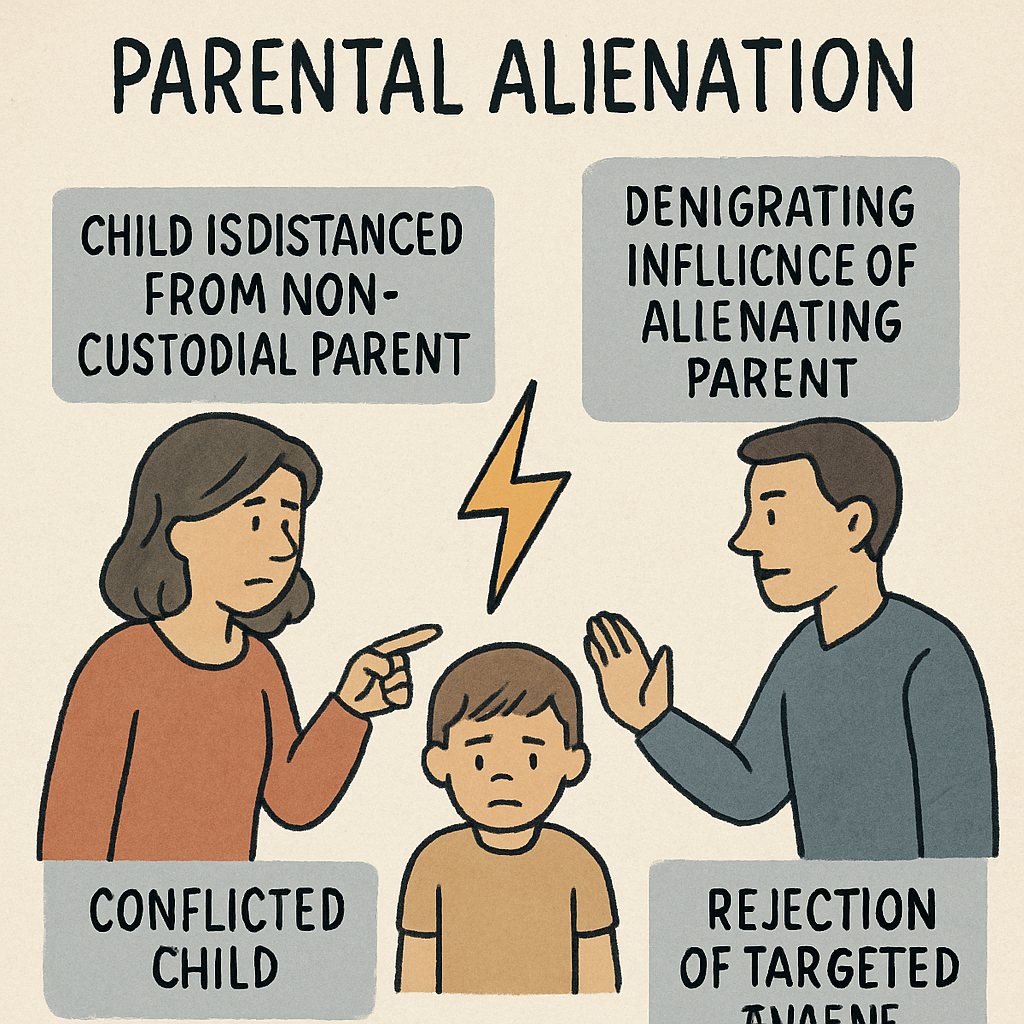
Parental alienation occurs when one parent manipulates a child to reject the other parent, often during or after a divorce. This behavior can lead to long-term psychological effects on the child, including anxiety, depression, and difficulty forming trusting relationships. Recognizing the signs of alienation is the first step toward addressing the problem. These signs may include the child expressing unjustified anger or fear toward the alienated parent, repeating negative language or accusations, and showing an imbalance of affection toward one parent.
Overcoming Alienation
Healing from parental alienation requires patience, empathy, and a clear strategy. Here are some steps to consider:
Re-establish Communication
Open and honest communication is key to mending relationships affected by alienation. Encourage the child to express their feelings without judgment, and listen actively to understand their perspective. Avoid blaming the other parent, as this can exacerbate the problem and further alienate the child.
Seek Professional Help
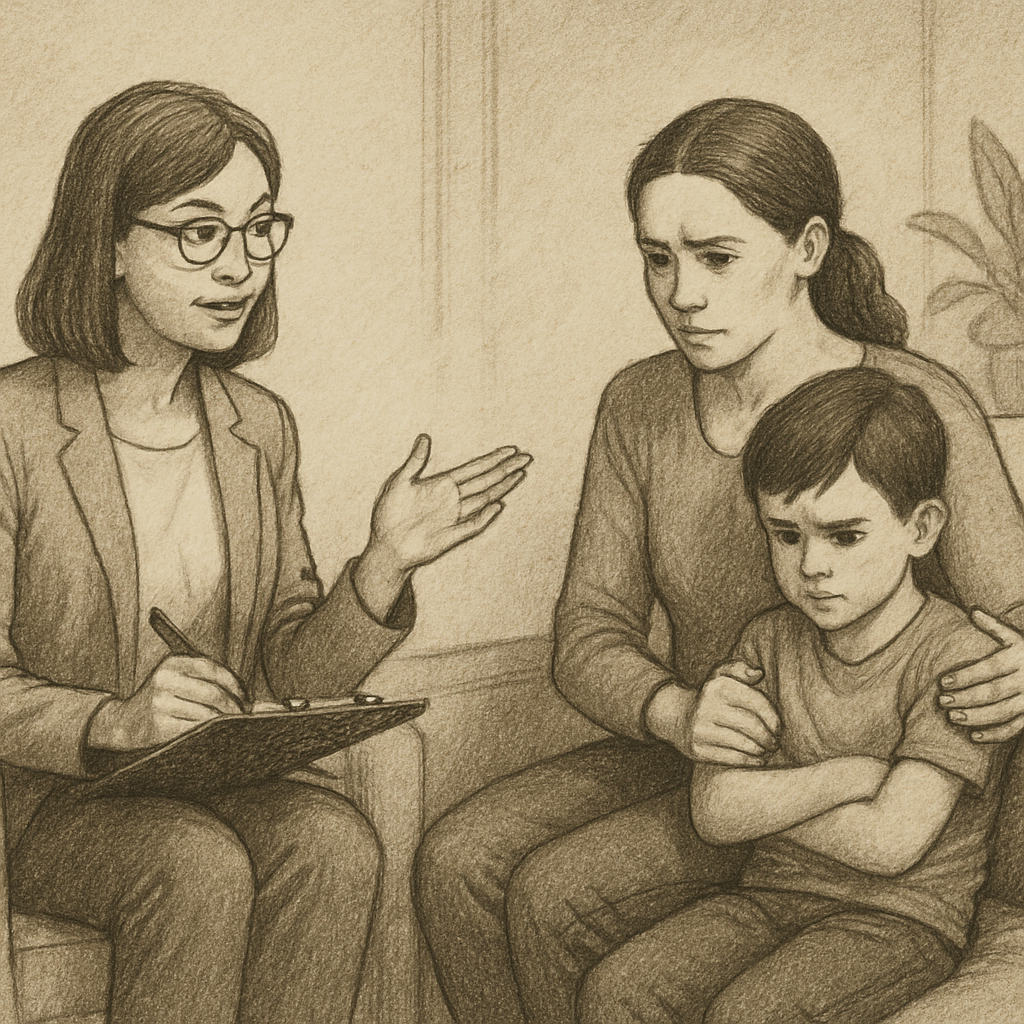
Professional guidance can be invaluable in overcoming parental alienation. A therapist or counselor who specializes in family dynamics can provide tools and strategies to rebuild trust and facilitate positive interactions. Therapy can also help the child process their emotions and develop a healthier relationship with both parents.
Create Positive Experiences
Rebuilding a connection with the alienated child often involves creating new, positive experiences. Engage in activities that the child enjoys and focus on building happy memories. This can help counteract negative perceptions and foster a sense of closeness.
Legal Considerations
In some cases, proving parental alienation may be necessary to address the issue legally. Document any behaviors or statements that indicate alienation, and seek legal advice if necessary. Family courts can sometimes intervene to protect the child's best interests, ensuring they maintain a relationship with both parents.
Moving Forward
Healing relationships after parental alienation is a journey that requires dedication and resilience. By fostering open communication, seeking professional support, and focusing on positive experiences, families can overcome the challenges of alienation and work toward a healthier, more harmonious future.
It's important to remember that progress may be slow, and setbacks can occur. However, with persistence and the right support, it is possible to heal and rebuild family bonds.
If you or someone you know is dealing with parental alienation, consider reaching out to a professional for guidance and support. The path to healing is challenging, but not impossible, and every step forward is a victory in itself.