

Treatment Resistant Depression
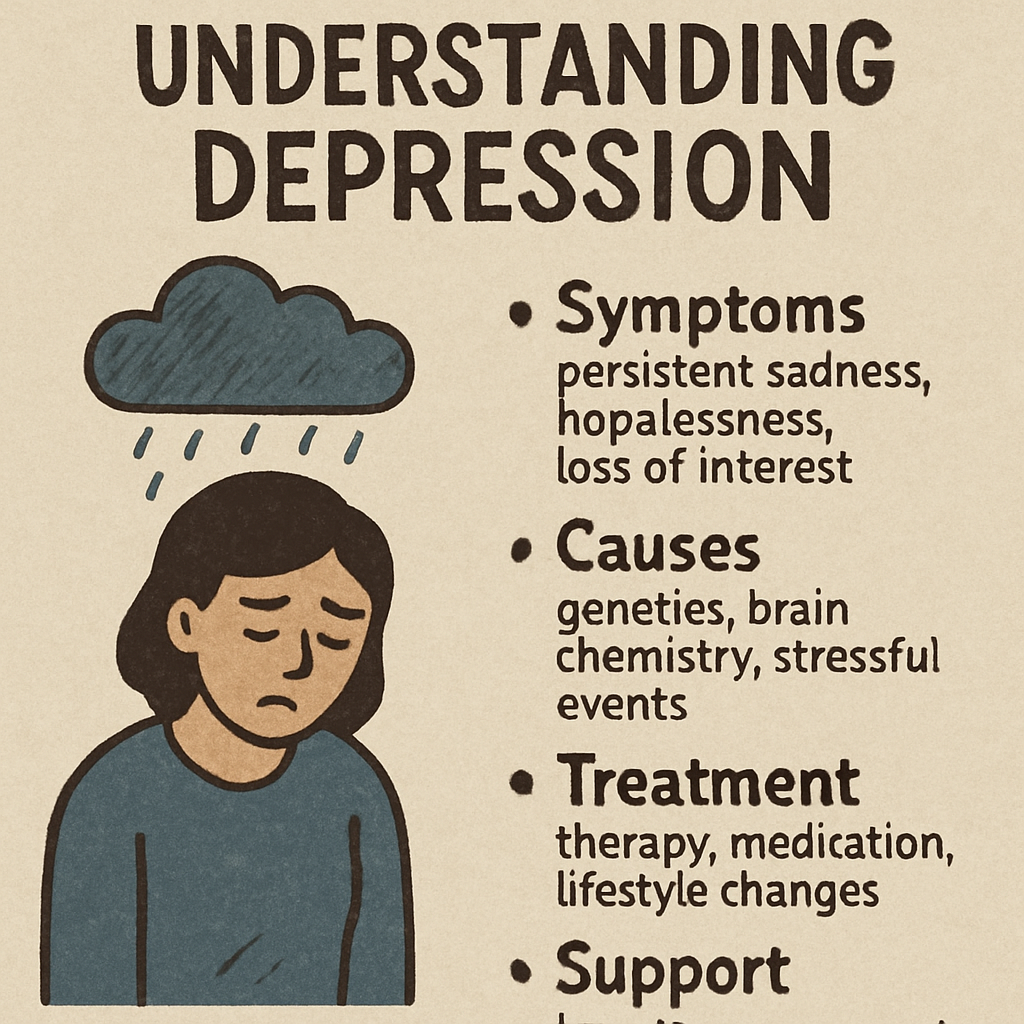
Treatment-resistant depression (TRD) is a complex condition that affects many individuals who struggle with depression. It is characterized by a lack of response to traditional antidepressant treatments, which can be frustrating and disheartening. However, gaining a thorough understanding of TRD is the first step towards finding a viable solution and improving one's quality of life.
Summary TRD is a subtype of major depressive disorder defined by inadequate response to at least two adequate antidepressant trials, affecting up to about 30% of patients and carrying significant personal and societal impact. Accurate diagnosis relies on comprehensive assessment to rule out confounders, followed by individualized care that may include switching or augmenting medications, ketamine/esketamine, psychotherapy, and neuromodulation options like ECT, TMS, and VNS. Lifestyle measures—exercise, nutrition, mindfulness—and addressing comorbidities and support systems can enhance outcomes. Daily coping, education, structured routines, and ongoing professional and peer support help foster resilience and hope.
What is Treatment Resistant Depression?
Treatment-resistant depression is a subtype of major depressive disorder characterized by its resistance to at least two different antidepressant treatments administered at adequate doses for a sufficient duration. It is also referred to as refractory depression or drug-resistant depression.
Clinical Definition and Diagnosis
The clinical definition of TRD involves specific criteria, such as a lack of satisfactory improvement after trying multiple antidepressant medications. Diagnosis requires careful assessment by a healthcare professional to rule out factors like medication non-compliance, incorrect dosages, or inadequate treatment durations.
Differentiating TRD from Other Depression Types
TRD differs from other forms of depression due to its resistance to standard treatments. Unlike typical depression, where patients may respond to initial medication or therapy, TRD requires more complex and individualized treatment strategies. Understanding these distinctions is crucial for effective management.
Prevalence and Impact
The prevalence of TRD in the general population is significant, with estimates suggesting that up to 30% of those with major depressive disorder may experience treatment resistance. The impact of TRD extends beyond the individual, affecting families, workplaces, and healthcare systems due to increased healthcare utilization and reduced productivity.
Causes of Treatment Resistant Depression
The exact causes of TRD remain not fully understood, but several factors are believed to contribute to its development:
Biological Factors
Genetics and brain chemistry play a significant role in how depression and other mental illnesses manifest. Individuals may have a genetic predisposition that makes their depression more resistant to treatment. Additionally, abnormalities in neurotransmitter systems and structural brain changes have been implicated in TRD.
Psychological Factors
Co-occurring psychological conditions such as anxiety disorders, personality disorders, or bipolar disorder can complicate the treatment of depression. These conditions may mask or exacerbate depressive symptoms, making it more challenging to achieve remission through standard antidepressant therapies.
Environmental and Lifestyle Factors
Stressful life events, trauma, and lack of social support can exacerbate depression and make it more challenging to treat. Chronic stress and adverse environments can alter brain function and chemistry, potentially leading to treatment resistance. Furthermore, lifestyle factors such as poor diet, lack of exercise, and substance abuse can impede treatment efficacy.
Diagnosing Treatment Resistant Depression
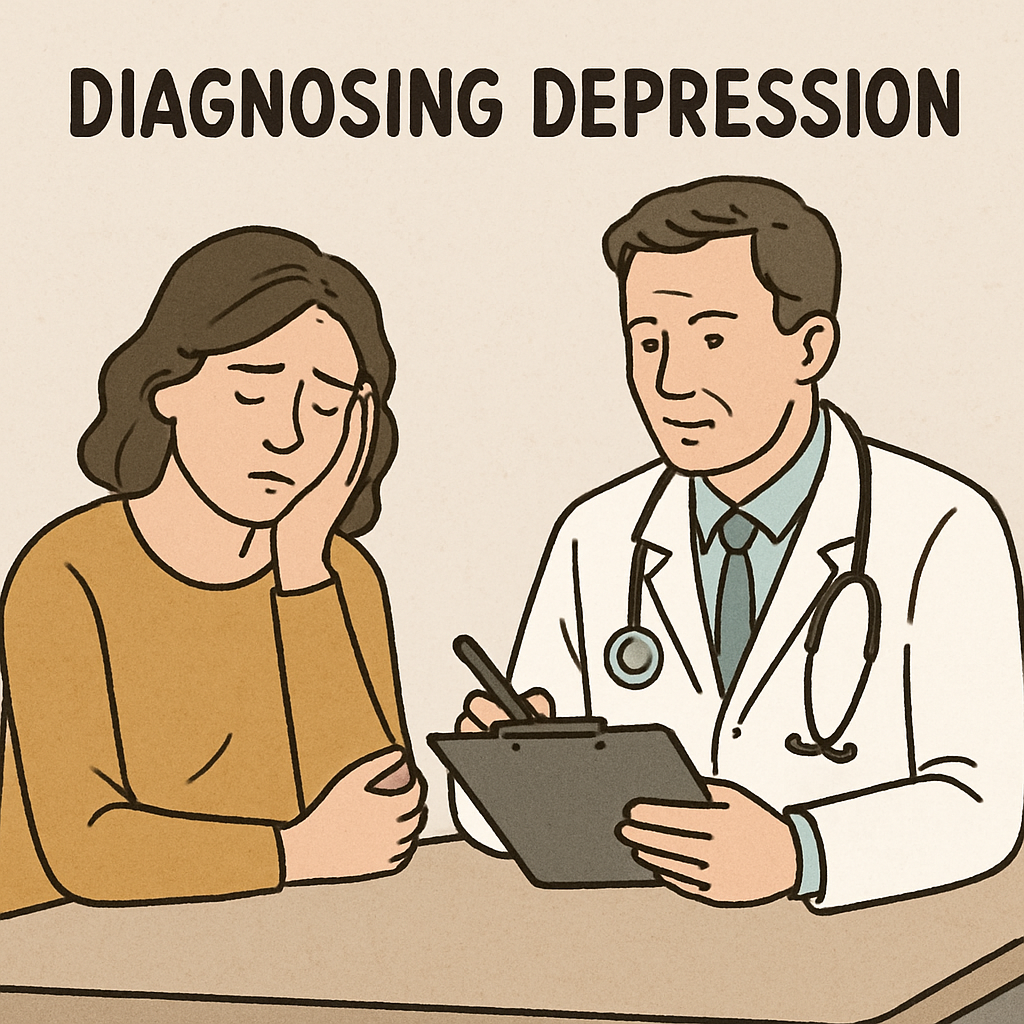
Diagnosing TRD involves a comprehensive evaluation by a healthcare professional. This typically includes a detailed medical and psychiatric history, a review of current and past treatments, and an assessment of potential underlying conditions that may be contributing to the depression.
Comprehensive Assessment Techniques
A thorough assessment process is crucial for diagnosing TRD accurately. This may involve psychological evaluations, lab tests to rule out physical health issues, and discussions about personal and family medical history. Such comprehensive evaluations help in tailoring personalized treatment plans.
Role of Healthcare Professionals
Psychiatrists, psychologists, and primary care providers play a pivotal role in diagnosing TRD. Their expertise is essential in differentiating TRD from other mental health disorders and ensuring that patients receive the appropriate level of care and treatment options.
Importance of Accurate Diagnosis
Accurate diagnosis of TRD is critical for effective treatment planning. Misdiagnosis can lead to inappropriate treatment choices, further exacerbating symptoms and prolonging the path to recovery. Thus, precision in diagnosis helps optimize treatment outcomes and improve patient quality of life.
Treatment Options for Treatment Resistant Depression
Despite the challenges, numerous treatment options are available for individuals with TRD. These options span medications, non-medication therapies, and lifestyle modifications.
Medications for Treatment Resistant Depression
Adjunctive Treatments
Sometimes adding another medication to the existing antidepressant regimen can enhance its effectiveness. Medications such as atypical antipsychotics, mood stabilizers, or even low doses of stimulants might be used as add-on therapy. These adjunctive treatments aim to target different neurotransmitter systems or address co-occurring symptoms.
Alternative Antidepressants
Switching to a different class of antidepressants can prove effective for some individuals. For instance, if SSRIs (Selective Serotonin Reuptake Inhibitors) are ineffective, SNRIs (Serotonin-Norepinephrine Reuptake Inhibitors) or MAOIs (Monoamine Oxidase Inhibitors) might be considered. This strategy leverages different mechanisms of action to potentially overcome resistance.
Novel Treatments: Ketamine and Esketamine
Ketamine and its derivative, esketamine, represent newer treatments showing promise in rapidly reducing depressive symptoms in TRD patients. Administered via infusion or nasal spray, these treatments work by modulating glutamate, offering hope for those who have not responded to traditional therapies.
Non-Medication Therapies
Psychotherapy Options
In addition to traditional approaches, Radically Open Dialectical Behavior Therapy (RO-DBT) has emerged as a promising treatment for individuals with TRD. This therapy focuses on emotional regulation and improving interpersonal relationships, particularly for those who may struggle with the social aspects of their condition.
Radically Open Dialectical Behavior Therapy (RO-DBT)
RO-DBT is designed specifically for individuals who are emotionally overcontrolled, which can manifest as excessive self-control or aloofness. It emphasizes the importance of social connection and openness, teaching skills that help individuals develop greater flexibility in their emotional responses and behaviors. By fostering social engagement and self-acceptance, RO-DBT can help patients better cope with the challenges of TRD and enhance their overall quality of life.
Incorporating RO-DBT into treatment plans for TRD can provide individuals with the tools to navigate their emotions, build supportive relationships, and reduce feelings of isolation.
Electroconvulsive Therapy (ECT)
ECT is one of the most effective treatments for severe depression, especially when other treatments have failed. It involves sending small electrical currents through the brain to induce a brief seizure, which can alter brain chemistry and improve mood. Despite its efficacy, ECT is often underutilized due to stigma and misconceptions.
Transcranial Magnetic Stimulation (TMS)
TMS uses magnetic fields to stimulate nerve cells in the brain and can be effective for those who haven't responded to medication. It is a non-invasive procedure with minimal side effects, making it an attractive option for patients seeking alternatives to traditional treatments.
Vagus Nerve Stimulation (VNS)
VNS involves implanting a device that sends electrical pulses to the vagus nerve, which can help alleviate depression symptoms. This approach is typically considered when other treatments have not provided sufficient relief and offers a novel mechanism of action for managing TRD.
Lifestyle Changes and Alternative Treatments

by Peter Burdon (https://unsplash.com/@peterburdon)
While medication and therapy are critical components of treating TRD, lifestyle changes can also play a significant role in managing symptoms.
Exercise and Physical Activity
Regular physical activity can help improve mood and reduce symptoms of depression. Exercise promotes the release of endorphins, enhances sleep quality, and provides a natural boost to overall mental well-being, making it a valuable adjunct to other treatments.
Nutrition and Dietary Interventions
A balanced diet rich in omega-3 fatty acids, vitamins, and minerals can support overall mental health. Nutritional counseling may be beneficial for individuals with TRD, helping them make informed choices that contribute to better mood regulation and cognitive function.
Mindfulness and Meditation Practices
Mindfulness and meditation can help reduce stress and improve emotional regulation. These practices encourage present-moment awareness and can alleviate symptoms of anxiety and depression, providing a complementary approach to conventional treatments.
Acupuncture and Herbal Supplements
Some individuals find relief through acupuncture or herbal supplements, though it's crucial to consult with a healthcare provider before starting any alternative treatment. These interventions can offer additional options for symptom management, but require careful consideration of safety and efficacy.
Living with Treatment Resistant Depression
Living with TRD is challenging, but with the right support and treatment plan, individuals can manage their symptoms and lead fulfilling lives. It's essential to remain hopeful and open to trying different treatment approaches until finding what works best.
Building Support Systems and Resources
The Power of Support Groups
Connecting with others who understand the challenges of TRD can provide comfort and encouragement. Support groups offer a safe space to share experiences, learn from others, and gain insights into coping strategies and treatment options.
The Role of Professional Help
Regular appointments with mental health professionals can ensure that treatment plans are adjusted as needed. Ongoing professional support is vital for monitoring progress, addressing setbacks, and making necessary modifications to the treatment plan.
Empowerment through Education
Learning more about TRD and staying informed about new treatment options can empower individuals and their loved ones. Education fosters a sense of control and optimism, encouraging proactive engagement in the treatment process and promoting better outcomes.
Strategies for Daily Living
Establishing Routine and Structure
Creating a daily routine can provide stability and predictability, which are beneficial for managing depression symptoms. Structured activities, regular sleep patterns, and scheduled relaxation times can contribute to improved mental health.
Cultivating Coping Mechanisms
Developing effective coping mechanisms is crucial for navigating the challenges of TRD. Techniques such as journaling, creative expression, and engaging in hobbies can provide outlets for emotions and help manage stress.
Fostering Resilience and Hope
Building resilience involves adopting a mindset that embraces challenges as opportunities for growth. Encouraging self-compassion, setting realistic goals, and celebrating small victories can foster hope and motivation in the journey towards recovery.
Conclusion
While treatment-resistant depression presents unique challenges, a combination of medication, therapy, lifestyle changes, and support can lead to significant improvements. It's crucial for individuals to work closely with their healthcare providers to explore all available options and find a treatment plan that works for them.
By understanding TRD and remaining proactive in seeking treatment, those affected can take meaningful steps towards recovery and improved quality of life. Remaining adaptable and open to new approaches ensures continued progress and the potential for a brighter future.