

Signs You Should Consider Marriage Counseling
Marriage counseling can be a transformative journey for couples facing challenges. It offers a safe space to explore issues and rebuild connections with tailored relationship advice. Many couples find themselves at a crossroads, unsure of how to move forward. This is where marriage counseling can provide guidance and support.
Recognizing the signs that counseling might be beneficial is crucial. Frequent arguments, lack of intimacy, and feeling disconnected are common indicators. These issues can strain even the strongest relationships. Addressing them early can prevent further deterioration.
Marriage counseling is not just for couples in crisis. It can also help those seeking to enhance their relationship. By improving communication skills and conflict resolution, couples can strengthen their bond. This proactive approach can lead to lasting emotional healing.
Understanding the process and benefits of marriage counseling is essential. It involves open communication and a commitment to growth. With the right support, couples can navigate challenges and find renewed purpose. Whether through in-person sessions or free online marriage counseling, help is available.
Key Takeaways
This guide shows how to recognize when counseling can help---recurring conflict, disconnection, poor communication, and intimacy or trust issues---and explains what sessions involve and when to start. It compares formats (in-person, online, faith-based), addresses cost, accessibility, and partner willingness, and outlines how to choose the right counselor. You'll also find benefits of counseling and practical next steps, including self-help and free online resources, at-home communication and conflict-resolution skills, FAQs, and how to take the first step, plus pointers to marital guidance and relationship advice resources.
Summary
This guide explains when and why to seek marriage counseling, what sessions involve, and how to prepare. It highlights common signs like recurring conflict, disconnection, intimacy and trust issues, and communication breakdowns, while outlining timing and readiness. It compares in-person, online, and faith-based options, addresses concerns about cost, accessibility, and partner willingness, and details benefits such as better communication, empathy, and reconnection. Practical steps include choosing the right counselor, using self-help resources (including free online options), building at-home communication and conflict skills, and taking the first step.
Understanding Marriage Counseling: What It Is and How It Helps
Marriage counseling is a therapeutic approach aimed at improving relationship dynamics. It involves sessions led by trained professionals who guide couples through challenges. These sessions offer a platform to explore underlying issues and foster understanding. Sometimes called love therapy or marital guidance, these counseling services meet couples where they are.
One of the primary goals of marriage counseling is enhancing communication. Couples learn to express their needs and listen effectively. This can lead to better conflict resolution and a stronger emotional connection. The process is tailored to meet the unique needs of each couple.
Marriage counseling provides tools for managing stress and external pressures. It encourages partners to view issues from each other's perspectives, promoting empathy. This understanding can aid in rebuilding trust and intimacy. Couples often find that they can express themselves more freely.
Counseling sessions are usually structured yet flexible. They can include discussions, exercises, and strategies for improvement. Some common elements in marriage counseling are:
Setting relationship goals
Addressing communication breakdowns
Exploring emotional needs

This supportive environment enables couples to explore deep-seated issues. Through guided discussions, they can work towards emotional healing and a healthier relationship.
Common Signs Your Relationship May Benefit from Counseling
Recognizing when your relationship might need extra support is key. Marriage counseling can be highly beneficial when certain signs emerge. Understanding these signs early can help prevent further strain.
Frequent arguments with no resolution often indicate underlying issues. When disagreements escalate or remain unresolved, it can erode the relationship. Counseling can provide tools to improve conflict resolution skills.
Feeling disconnected from your partner is a common concern. Emotional withdrawal may lead to feelings of loneliness even when together. A counselor can help bridge this gap and rebuild emotional intimacy.
A significant decrease in physical intimacy is another sign. Physical connection plays a vital role in maintaining a healthy relationship. Marriage counseling can help identify and address the root causes.
Lack of effective communication is a crucial warning. When partners struggle to share thoughts without misunderstandings, issues can pile up. Improved communication skills can be learned in counseling sessions.
Trust issues are also significant indicators. Whether due to past betrayals or unexplained behavior, rebuilding trust can be challenging. Counseling provides a safe space to work through these issues.
Resentment towards each other is often a buildup of unresolved conflicts. It can manifest in small interactions, eventually causing significant damage. Exploring the causes of resentment in therapy can lead to healing.
Financial stress may exacerbate relationship tensions. Disagreements over spending habits or financial goals can strain a partnership. A counselor can assist in navigating these sensitive topics with care.
Some specific signs to look out for include:
Consistent blaming without resolution
Feeling unappreciated or taken for granted
Decline in shared activities and interests
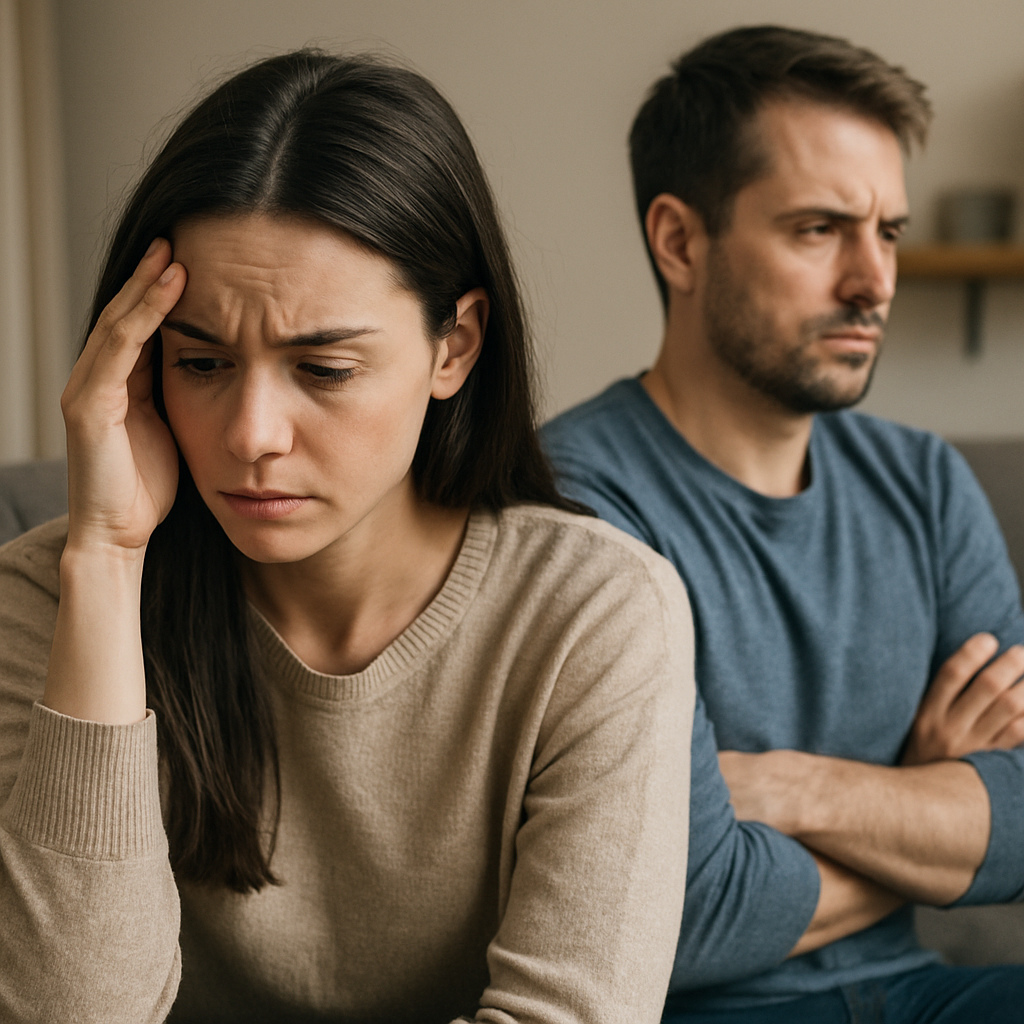
Being aware of these signs can guide couples toward seeking timely help. Marriage counseling offers a path to restoring balance and connection within the relationship.
How Marriage Counseling Works: What to Expect in Sessions
Entering marriage counseling can feel daunting at first. However, understanding the process can ease apprehensions and set realistic expectations. Sessions are designed to facilitate open communication and understanding.
A typical session begins with both partners sharing their perspectives. This helps in identifying the core issues affecting the relationship. The counselor listens actively to provide an unbiased viewpoint.
Counseling sessions often incorporate various therapeutic techniques. Some may focus on improving communication skills and learning effective conflict resolution. Others might explore emotional healing and rebuilding trust.
During sessions, you may engage in activities designed to enhance connection. These exercises aim to deepen your understanding of each other's needs and perspectives. It's a step towards building empathy and partnership help.
Consistency is vital in marriage counseling. Regular sessions allow for steady progress and adjustment of strategies. It's a dynamic process that adapts to the couple's evolving needs.
Expectations include:
An open and supportive environment
Active participation and honesty
Homework exercises for skill practice
by Bruna LOG (https://unsplash.com/@brunagolb)
Marriage counseling is a collaborative effort. Both partners must commit to the process for effective outcomes. With time and dedication, couples can achieve greater harmony and understanding.
When to Seek Marriage Counseling: Timing and Readiness
Determining the right time to start marriage counseling can be challenging. Often, couples wait until issues have intensified. Early intervention can prevent further deterioration and aid in conflict resolution.
It's ideal to seek help when minor conflicts become recurring problems. Notice if communication breaks down frequently or if there's emotional distance. These are signs that marriage support might be needed.
Before beginning, assess your readiness. Both partners should be open to exploring their relationship dynamics. A willingness to share honestly and listen is crucial.
Consider counseling if experiencing significant life changes or stressors. Such periods can strain relationships, making marriage counseling beneficial. Being proactive can lead to positive transformation.
Signs you may be ready include:
Frequent misunderstandings
Feeling disconnected from your partner
Desire to improve relationship quality
Marriage counseling offers an opportunity for growth and healing. Embrace the process as a commitment to your relationship's future.
Types of Marriage Counseling: In-Person, Online, and Faith-Based Options
Marriage counseling comes in various forms to suit diverse needs and preferences. In-person counseling offers face-to-face interaction with therapists. This traditional format can help foster a strong therapeutic alliance. It's especially beneficial for those who prefer direct engagement.
Online marriage counseling provides flexibility and accessibility. Busy couples can attend sessions from the comfort of their homes. It's a practical option for those with hectic schedules or geographical constraints. Many services also offer free online marriage counseling resources.
Faith-based marriage counseling incorporates spiritual beliefs into sessions. It's tailored for couples who value religious perspectives. Some programs specifically offer marriage counseling for christians. Such approaches can provide a comforting environment aligned with shared values and faith.
Different types of marriage counseling include:
In-person counseling: Direct interaction with therapists
Online counseling: Flexible and convenient
Faith-based counseling: Integrates spiritual beliefs

Choosing the right format depends on your unique needs and circumstances. Explore options and consider discussing with potential counselors. This ensures the selected approach aligns with both partners' preferences.
by Julio Lopez (https://unsplash.com/@juliolopez)
Addressing Common Concerns: Cost, Accessibility, and Partner Willingness
Cost is a major consideration when contemplating marriage counseling. Fees can differ greatly based on factors like location and therapist experience. Researching marriage counseling prices helps in planning and budgeting. Some counseling services offer sliding scale fees, making therapy more affordable.
Accessibility is another critical factor. For those with time constraints, online counseling can be a valuable option. It allows couples to receive support without travel time. Exploring available counseling services in your area or online can open more possibilities.
Partner willingness sometimes poses a challenge. A partner might initially resist the idea of counseling. Open conversations about the potential benefits of emotional healing and partnership help can facilitate cooperation.
Consider the following when deciding on marriage counseling:
Costs: Research and budget accordingly.
Accessibility: Explore both local and online options.
Partner willingness: Communicate openly about benefits.
Ultimately, addressing these concerns thoughtfully can make the decision process smoother. Couples who tackle these issues often find counseling a rewarding investment.

by Vitaly Gariev (https://unsplash.com/@silverkblack)
Key Benefits of Marriage Counseling for Couples and Individuals
Marriage counseling offers numerous benefits to both couples and individuals. It provides a structured space to explore and resolve relationship issues. Through this process, partners can improve their communication skills, fostering deeper understanding.
For many, counseling serves as a pathway to emotional healing. It can help address past traumas impacting current relationships. Couples therapy empowers partners to rebuild trust and connection after difficulties.
The benefits extend beyond the relationship itself. Many individuals experience personal growth through counseling. Understanding one's own patterns and behaviors can enhance overall well-being.
Marriage counseling also reinforces partnership help by creating shared goals. Working towards these goals can strengthen the relationship. This collaborative approach often leads to greater satisfaction for both partners.
Key benefits of marriage counseling include:
Enhanced communication skills
Emotional healing and resolution of past traumas
Greater relationship satisfaction
Personal growth for each partner
Strengthened emotional connection
Ultimately, marriage counseling can transform relationships and individual lives. It provides tools and insights for a more harmonious partnership. Embracing these benefits can lead to a more fulfilling and joyful connection.

by Khanh Do (https://unsplash.com/@donguyenkhanhs)
The Benefits of Individual Therapy Alongside Marriage Counseling
Personal Exploration and Growth
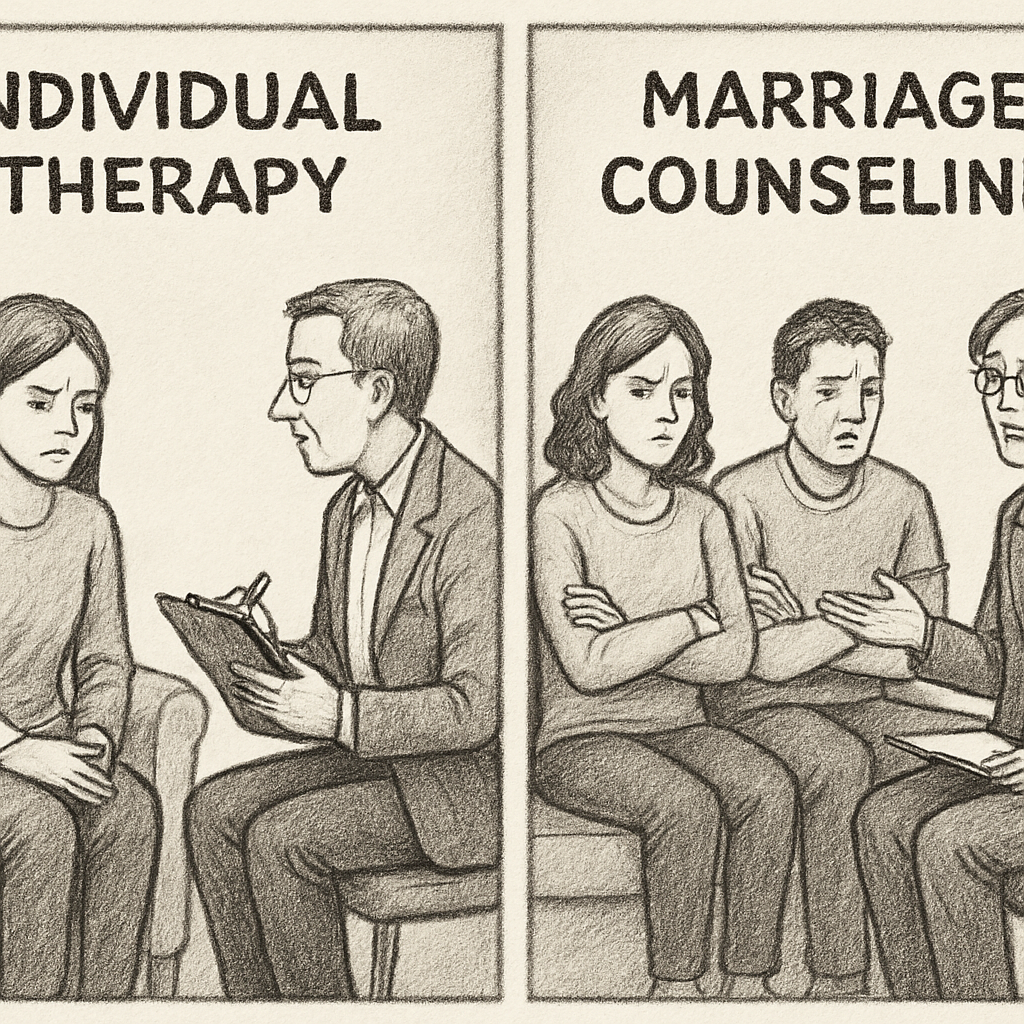
Having individual therapists can provide each spouse with a safe space to explore their own thoughts, feelings, and personal challenges. This personal exploration enhances self-awareness and can lead to individual growth that positively impacts the marriage.
Tailored Support for Individual Needs
Individual therapy allows each partner to address their specific issues, whether they relate to past trauma, personal stress, or emotional patterns. This tailored support ensures that both partners are working on their personal development while also focusing on their relationship.
Improved Communication Skills
Working with an individual therapist can help each spouse develop better communication skills and emotional regulation techniques. This improvement can translate into more effective and constructive interactions during marriage counselingsessions.
Prevention of Resentment
Individual therapy can help mitigate feelings of resentment or frustration that may arise during the counseling process. Each partner can express their feelings and receive guidance on how to navigate these emotions, leading to a healthier dynamic in the marriage.
Enhanced Focus on Relationship Dynamics
With individual therapists, both spouses can bring insights and understanding from their personal therapy to marriage counseling. This can enrich discussions about relationship dynamics, leading to deeper conversations and resolutions.
Emotional Support and Backup
Having individual therapists provides an additional layer of emotional support. Partners can lean on their respective therapists for guidance and coping strategies, ensuring they are mentally and emotionally equipped to face challenges together in marriage counseling.
How to Choose the Right Marriage Counselor or Service
Selecting the right marriage counselor is crucial for effective therapy. Different counselors offer varied approaches and specialties. It's important to find one that aligns with your needs and values.
Start by considering the counselor's qualifications and experience. Look for licensed professionals with specific training in couples therapy. This ensures they have the expertise required to guide your relationship effectively.
Personal comfort with the counselor also matters. It's essential to feel at ease when discussing personal issues. Many therapists offer initial consultations, which can help determine if it's a good fit.
Consider logistical aspects such as location, availability, and cost. Determine whether you prefer in-person, online, or faith-based options. Each has its unique benefits depending on your lifestyle and preferences. If you live in New Jersey, a quick search for "marriage counseling nj" can surface local counseling services and directories.
Key considerations when choosing a counselor:
Qualifications and experience
Comfort level and rapport
Approach and philosophy
Logistical aspects like location and cost
Taking time to choose the right counselor can greatly enhance your counseling experience and outcomes.
by Hananeh Reisi (https://unsplash.com/@hananehreisi)
Self-Help Resources: Books, Support Groups, and Free Online Marriage Counseling
Exploring self-help resources can complement marriage counseling. They offer valuable insights and techniques to strengthen relationships. Marriage counseling books provide guidance and strategies you can apply at your own pace.
Support groups create a sense of community. Sharing experiences with others can bring comfort and collective wisdom. Many find emotional healing in these shared journeys.
Free online marriage counseling can be an accessible option. It offers flexibility and immediate resources for those hesitant or unable to attend traditional counseling.
Self-help resources to consider:
Marriage counseling books
Online support groups
Free online marriage counseling
Taking advantage of these resources can be a proactive step towards relationship enhancement.

by bds (https://unsplash.com/@premiumofficefurniture)
Building Communication Skills and Conflict Resolution at Home
Improving communication skills can transform your relationship. Practicing open and honest dialogues helps partners understand each other better. Regularly expressing your thoughts and feelings reduces misunderstandings.
Conflict resolution is crucial for a healthy marriage. Approach disagreements with empathy and a desire to find solutions. This mindset fosters a supportive environment.
Implement simple strategies to enhance communication and conflict resolution skills. For example, active listening shows your partner that you value their perspective. Paraphrasing can clarify meanings and avoid assumptions.
Here are some practical tips to implement at home:
Practice active listening and paraphrasing
Schedule regular times to discuss concerns
Approach conflicts with a problem-solving mindset
By focusing on communication and resolution skills, couples can create a harmonious and fulfilling partnership. This effort lays the foundation for long-term relationship satisfaction.
Frequently Asked Questions About Marriage Counseling
Marriage counseling often raises many questions for couples. Understanding these queries can clarify your expectations and ease any concerns. Here we address some common questions.
Many wonder about the duration of counseling. It varies based on needs and progress, but most couples experience benefits within a few months. Each session focuses on addressing specific issues and developing practical skills.
Here are some frequently asked questions:
How do we know if marriage counseling is right for us?
How much does marriage counseling cost?
What should we expect during a session?
These answers aim to guide you toward making informed decisions about pursuing marriage counseling. Taking this step can be a vital investment in your relationship's future.
Taking the First Step: How to Start Your Marriage Counseling Journey
Embarking on the path to marriage counseling is an empowering decision. Begin by having an open conversation with your partner about your shared goals. Honest communication establishes a foundation for successful therapy.
Next, research various counseling services that align with your needs. Consider options like in-person sessions, online platforms, or faith-based approaches. Choosing a compatible method can enhance your counseling experience.
Finally, schedule an initial session with a certified marriage counselor. This first meeting often focuses on identifying key areas of concern and setting objectives. Remember, seeking help is a brave and positive step toward improving your relationship.