

Identifying and treating psychopathy
Psychopathy is a complex and often misunderstood condition. It is characterized by persistent antisocial behavior, impaired empathy, and often, bold and disinhibited traits. For professionals and individuals alike, understanding psychopathy can be a daunting task. However, with the right knowledge and tools, identifying and treating psychopathycan become more manageable.
Summary Psychopathy exists on a spectrum and is often misrepresented in media; it involves antisocial traits, impaired empathy, and impulsivity, but does not always entail criminal behavior. Its development reflects an interplay of genetic and environmental factors, making early, context-sensitive interventions and family involvement valuable. While there is no cure, tailored, evidence-based approaches—such as CBT, therapeutic communities, and symptom-targeted medications—can yield meaningful improvements despite engagement challenges. Practical guidance is provided for executives, teachers, and healthcare workers to manage interactions, reduce harm, and support well-being.
In this article, we will delve into the nature of psychopathy, explore potential treatment options, and discuss the implications of these treatments from developmental perspectives. Whether you are a mental health professional, a corporate executive, a teacher, or a healthcare worker, understanding these facets of psychopathy can be beneficial in both professional and personal contexts.

Psychopathy is often portrayed in media as synonymous with violent and criminal behavior, but it is essential to recognize that not all individuals with psychopathic traits engage in criminal activities. The condition exists on a spectrum, and its manifestations can vary significantly from one individual to another.
The Psychopathy Spectrum
The psychopathy spectrum illustrates the range of severity and manifestations of psychopathic traits. While some individuals may exhibit extreme antisocial behavior, others may present subtler signs that do not lead to criminal activity. Understanding this spectrum is crucial for accurate diagnosis and intervention, as it highlights the individualized nature of psychopathy.
Misconceptions in Media Portrayals
Media often simplifies psychopathy, focusing on sensationalized and violent behaviors. This portrayal can lead to misconceptions, stigmatizing individuals with psychopathic traits and overlooking those who do not fit the stereotype. By acknowledging these inaccuracies, we can better appreciate the nuanced reality of psychopathy.
The Role of Biology and Environment
Both genetic and environmental factors contribute to the development of psychopathy. While genetics may predispose an individual to certain traits, environmental influences, such as upbringing and social interactions, play a critical role in shaping behavior. This interplay underscores the importance of considering both biological and environmental aspects in understanding psychopathy.
Key Characteristics
Psychopathy is identified through a combination of traits, including:
Lack of Empathy: An inability to emotionally connect with others.
Manipulativeness: A tendency to manipulate others for personal gain.
Superficial Charm: Often exuding charisma that masks the underlying antisocial behaviors.
Impulsivity: Difficulty in delaying gratification and acting without considering consequences.
These traits make psychopathy a challenging condition to address, as individuals may not see their behaviors as problematic.
Treatment of Psychopathy
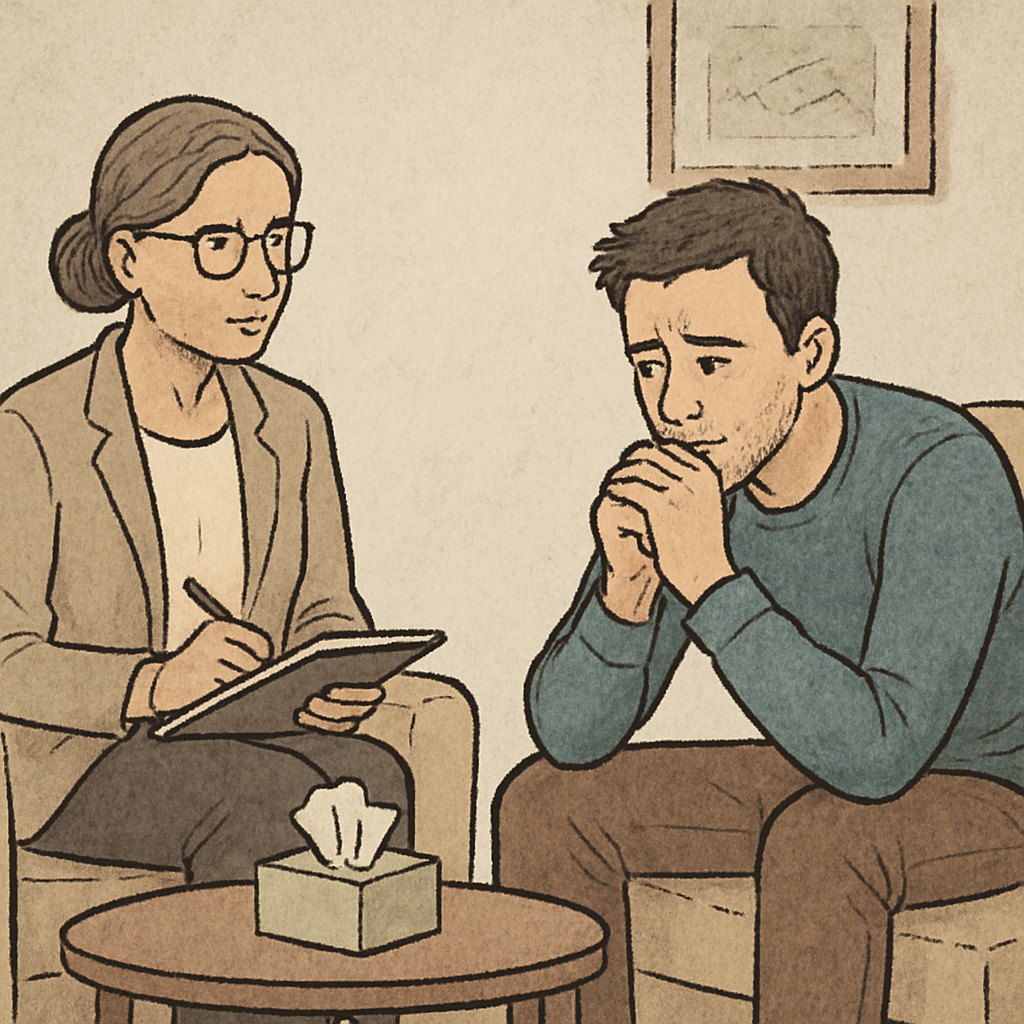
The treatment of psychopathy has historically been viewed with skepticism due to the perceived intractability of the condition. However, recent developments in psychopathy therapy have opened new avenues for intervention.
Challenges in Treatment
Treating psychopathy involves overcoming several hurdles, including the individual's lack of insight into their condition and resistance to change. These challenges necessitate innovative approaches and a strong therapeutic alliance to foster engagement and progress in therapy.
Psychopathy Therapy Options
Cognitive Behavioral Therapy (CBT): This therapeutic approach can help individuals recognize and change destructive thought patterns. While not a cure, CBT can assist individuals in better managing their behaviors and improving interpersonal relationships. By focusing on cognitive restructuring, CBT encourages individuals to develop healthier perspectives and coping strategies.
Therapeutic Communities: These structured environments provide a space for individuals to engage in group therapy and community activities, fostering social skills and accountability. Such communities emphasize the importance of social learning and mutual support in promoting behavioral change.
Medication: Although no medication can cure psychopathy, certain drugs may help manage symptoms such as impulsivity and aggression. Medications can complement therapeutic interventions, offering additional tools to regulate behavior and enhance treatment outcomes.
Is There a Treatment for Psychopathy?
The question of whether there is a treatment for psychopathy is complex. While complete rehabilitation may not be feasible for everyone with psychopathy, interventions can lead to meaningful improvements. A tailored, evidence-based approach that addresses the unique characteristics of each individual is crucial. This personalized strategy ensures that therapy is relevant and effective for the individual's specific needs and circumstances.
Developmental Perspectives and Their Implications for Treatment
Psychopathy is believed to have developmental roots, with genetic and environmental factors playing a role. Understanding these developmental perspectives is essential for effective treatment.
The Impact of Genetics
Genetic factors contribute to the predisposition of psychopathic traits, influencing brain structure and function. Research into the genetic basis of psychopathy can inform treatment strategies by identifying biological targets for intervention, potentially leading to more effective therapeutic approaches.
Environmental Influences
Environmental factors, such as childhood experiences and social interactions, significantly impact the development of psychopathy. Addressing these influences through targeted interventions can mitigate the escalation of psychopathic traits, highlighting the importance of context in treatment planning.
Early Intervention
Research suggests that early intervention can mitigate the severity of psychopathic traits. Programs focused on enhancing empathy and prosocial behavior in at-risk youth can prevent the escalation of antisocial behaviors. These initiatives emphasize the critical window of opportunity in childhood and adolescence for shaping positive developmental trajectories.
Family Involvement
Family therapy can be instrumental in altering the dynamics that contribute to the development of psychopathic traits. Engaging family members in the treatment process can provide a support system and reinforce therapeutic goals. Family involvement not only supports the individual but also promotes healthier family relationships, creating a more supportive environment for change.
Practical Implications for Professionals

by nrd (https://unsplash.com/@nicotitto)
For corporate executives, teachers, and healthcare workers, understanding psychopathy and its treatment can offer valuable insights into managing interactions with individuals exhibiting psychopathic traits. Here are some practical applications:
Corporate Executives
Workplace Strategies: Develop policies that promote ethical behavior and accountability, reducing the impact of individuals with psychopathic traits. Implementing clear guidelines and fostering a culture of transparency can deter manipulative behavior and protect organizational integrity.
Stress Management: By understanding psychopathy, executives can better navigate high-pressure situations and maintain emotional well-being. Recognizing the signs of psychopathy can help in managing interpersonal dynamics and preserving mental health in challenging environments.
Leadership Training: Educating leaders on psychopathic traits and their implications can enhance decision-making and conflict resolution skills. Such training equips executives to identify and address disruptive behaviors effectively.
Teachers
Classroom Management: Recognize signs of antisocial behavior early and employ strategies that encourage empathy and cooperative learning. Tailoring classroom interventions to accommodate diverse needs fosters an inclusive and supportive learning environment.
Burnout Prevention: Teachers who understand the complexities of psychopathy can develop resilience and maintain passion in their work. By adopting self-care practices and seeking professional support, educators can safeguard their well-being and sustain their commitment to teaching.
Professional Development: Ongoing training on behavioral management and psychopathy can empower teachers with the tools and knowledge necessary to address challenging behaviors effectively. Continuous learning ensures that educators remain equipped to support their students' diverse needs.
Healthcare Workers
Compassion Fatigue Management: Employ trauma-informed care principles to mitigate the effects of exposure to psychopathic behaviors. Understanding the emotional demands of working with individuals exhibiting these traits can help healthcare workers maintain their empathy and effectiveness.
Patient Care: Understanding psychopathy can enhance patient interactions and lead to more effective care strategies. By recognizing the unique challenges presented by psychopathic traits, healthcare workers can tailor their approaches to improve patient outcomes.
Interdisciplinary Collaboration: Collaborating with mental health professionals and other specialists can enrich healthcare workers' understanding and management of psychopathy. This teamwork approach ensures comprehensive care and maximizes treatment efficacy.
Conclusion
Identifying and treating psychopathy is a multifaceted challenge that requires empathy, expertise, and a commitment to individualized care. By exploring psychopathy treatment options and considering developmental perspectives, mental health professionals and individuals in various fields can better understand and address this condition. With the right strategies and support, those affected by psychopathy can experience meaningful change and improved quality of life.
Understanding the intricacies of psychopathy and its treatment is not only crucial for mental health professionals but also for anyone who interacts with individuals exhibiting these traits. By fostering a deeper understanding and employing effective interventions, we can create more compassionate and supportive environments for all. As we continue to learn and innovate in the field of psychopathy, the potential for positive change and improved outcomes grows, benefiting individuals and communities alike.