
Navigating therapy expenses can be daunting. Understanding the costs involved is crucial for effective budgeting. Therapy is an investment in mental health and well-being.
Therapist prices vary widely. Factors like location, therapist qualifications, and session type influence costs. Knowing these can help you plan better.
Insurance can significantly reduce therapy costs. However, coverage varies, and understanding your plan is essential. Without insurance, therapy can be expensive, but options exist.
Affordable therapy is possible. Many resources offer low-cost or free services. Exploring these can make therapy accessible to more people.
Budgeting for therapy requires careful planning. Prioritizing mental health in your budget can lead to long-term benefits. It's important to consider therapy as a valuable investment.
This guide will help you understand therapy costs. It offers tips for finding affordable options and budgeting effectively. Prioritize your mental health without breaking the bank.
Understanding Therapy Costs: What to Expect
Therapy costs can vary significantly. The average price for a session ranges from $60 to $250. Several factors contribute to this range.
Geography often impacts these costs. Urban areas may have higher session prices. Therapy in rural regions can be more affordable.
Therapist qualifications and experience also matter. Experienced therapists might charge more per hour. Specializations in specific types of therapy, like Cognitive Behavioral Therapy, can influence rates.
Without insurance, therapy might seem expensive. However, some therapists offer sliding scale fees. These adjust based on your income, making it more accessible.
To better understand therapy pricing, consider these aspects:
Location: Urban vs. rural
Therapist Experience: More experience can mean higher cost
Therapy Type: Certain therapies have unique pricing
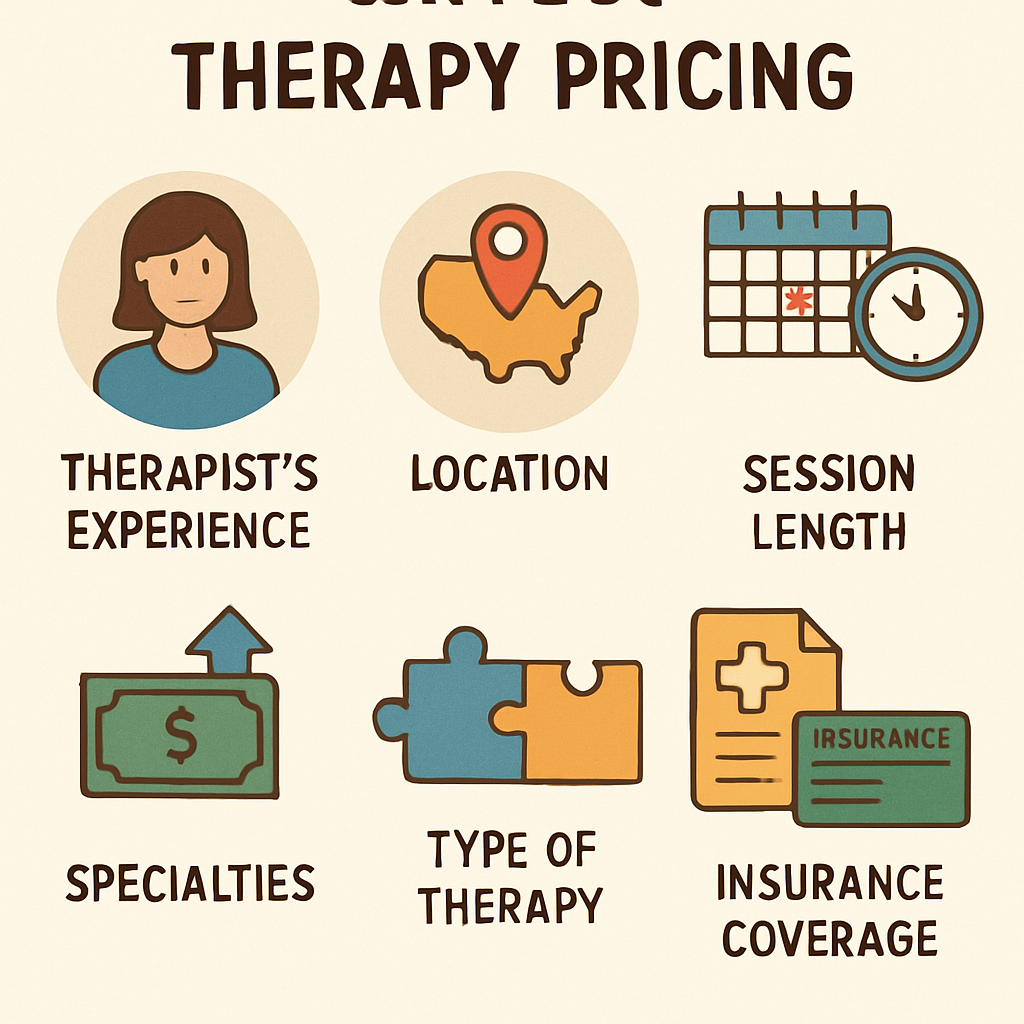
Understanding these factors helps you plan better for therapy expenses. Budget wisely by exploring all options. Knowing what to expect allows for a more informed decision. Consider therapy a priority in your financial planning.
Factors That Influence Therapist Prices
Therapist prices are shaped by various elements. These impact how much you will pay per session. Understanding them helps make informed decisions.
Geographic location is a key factor. Living costs in cities drive therapist rates up. Conversely, smaller towns may offer budget-friendly options.
Experience is another consideration. Veteran therapists usually charge higher fees. Specializations also play a role; niche expertise can increase costs.
Insurance agreements affect pricing too. Some therapists are in-network, reducing out-of-pocket costs. Check with your insurance about coverage details.
To summarize, consider these factors when evaluating therapy costs:
Location: City vs. town rates differ
Experience: More experience often means higher fees
Specialization: Unique skills might cost more
Insurance: In-network vs. out-of-network implications
These factors allow you to anticipate therapy prices more accurately. This knowledge aids in budgeting for mental health services. It ensures you select a suitable and affordable option.
Therapy With Insurance: What’s Covered and What’s Not
Insurance can significantly impact therapy costs. Many insurance plans offer some level of coverage. However, the extent varies greatly.
Understanding what your policy covers is crucial. Some plans cover only a portion of the therapy expense. Others might require a co-pay.
Checking details about what's included is essential. Confirm if your plan requires referrals. Verify if only specific types of therapists are covered.
Here are key areas to review in your insurance plan:
Coverage limits: Sessions may be capped annually.
Co-pays and deductibles: Check how much you'll pay per session.
In-network vs. out-of-network: Staying in-network reduces costs.
Types of therapy covered: Confirm if specific therapies are excluded.
Always review your policy before starting therapy. Speak with your insurance provider for clarification. Proper understanding can prevent unexpected expenses.

Insurance can alleviate the financial burden. However, knowing the specifics ensures you maximize your benefits. This preemptive action helps you budget effectively for mental health care.
Therapy Without Insurance: Options and Average Costs
Without insurance, therapy can seem dauntingly expensive. The average cost typically ranges from $60 to $250 per session. Prices vary by location and the therapist’s expertise.
Fortunately, there are affordable options. Many therapists offer sliding scale fees. These adjust session prices based on your income. Such arrangements increase accessibility, especially for low-income individuals.
Community mental health centers often provide low-cost services. Universities with psychology programs might offer reduced-cost therapy. Their student clinics provide a valuable resource for affordable mental health care.
Consider these options for therapy without insurance:
Sliding scale fees: Negotiated rates based on income.
Community centers: Low-cost or even free services available.
University clinics: Discounted therapy from supervised students.
Online therapy platforms: Lower rates compared to in-person sessions.
Exploring these options is crucial. They ensure therapy remains within reach, even without insurance. By choosing wisely, you can maintain mental well-being on a budget.
Comparing Types of Therapy: In-Person, Online, and Group Sessions
Choosing the right type of therapy involves weighing costs and benefits. In-person sessions usually offer face-to-face interaction. They can provide a comforting environment, but they might come with higher costs.
Online therapy is growing in popularity. It often costs less and offers flexible scheduling. This option is ideal for those who prefer the comfort of their home.
Group therapy presents another affordable option. Sharing sessions with others can reduce costs significantly. It also offers peer support and shared experiences.
Here's a quick comparison of therapy types:
In-Person Therapy: Direct interaction; higher cost.
Online Therapy: Flexibility; generally lower cost.
Group Therapy: Shared sessions; cost-effective.
Each type has its unique advantages. Assessing what suits your needs and budget is essential. Consider your personal comfort and financial situation when deciding.

by Jon Tyson (https://unsplash.com/@jontyson)
Affordable Therapy: Tips for Finding Low-Cost or Free Services
Finding affordable therapy can seem challenging, but options exist. Many therapists offer sliding scale fees based on income. This approach allows for more manageable costs tailored to your financial situation.
Community mental health centers often provide low-cost or free services. They aim to make therapy accessible to all, regardless of financial status. It’s worth reaching out to local centers to inquire about their offerings.
Universities with psychology programs may offer reduced-cost therapy. Student clinics can be a practical choice, providing counseling by supervised trainees. These services help students gain experience while assisting the community.
Non-profit organizations are another great resource. They frequently offer therapy services at little to no cost. Exploring their programs can uncover valuable support networks.
Here are some tips for finding affordable therapy:
Check if therapists offer sliding scale fees.
Contact community mental health centers.
Explore university-based therapy programs.
Look into local non-profit organizations.
Taking these steps can help access the support you need without financial strain. Remember, prioritizing mental health is crucial, and there are ways to make it affordable.
Budgeting for Therapy: How to Plan and Prioritize Mental Health Expenses
Budgeting for therapy involves thoughtful planning and prioritization. Start by assessing your current financial situation. Look at your income and essential expenses to determine what you can allocate to therapy.
Consider therapy an investment in your well-being. Evaluate the potential long-term benefits for your mental health. Improved mental health can enhance productivity and quality of life, making therapy a valuable priority.
Establish a separate budget for mental health expenses. This will help you track spending and adjust as needed. Allocate funds for sessions, transportation, and additional resources like books or apps.
Here are steps to effectively budget for therapy:
Evaluate your monthly financial obligations.
Determine the funds available for mental health.
Treat therapy as a priority in your budget.
Review and adjust your budget regularly.
By following these steps, you can manage therapy costs effectively. Prioritizing mental health in your financial planning can lead to lasting benefits, making every dollar spent worthwhile.
Payment Strategies and Financial Assistance
Paying for therapy requires creative strategies and utilizing available resources. Explore various payment plans offered by therapists. Many offer installment options that can ease the financial burden.
Look for financial assistance programs that support mental health care. These resources can make therapy accessible despite financial constraints. Various local and national organizations provide grants or low-interest loans for treatment.
Consider using flexible spending accounts (FSAs) or health savings accounts (HSAs) for therapy expenses. These accounts offer tax advantages, reducing the overall cost. Carefully plan and explore these options to find the best fit for your situation.
Key strategies include:
Inquire about sliding scale fees.
Use FSAs or HSAs where possible.
Seek community-based assistance programs.
These approaches can make therapy more manageable within your budget.
Making the Most of Your Therapy Investment
Maximizing the benefits of therapy involves setting clear goals. Know what you hope to achieve from each session. Being focused helps both you and your therapist track progress effectively.
Commitment to the therapeutic process is key. Regular attendance and active participation can lead to better outcomes. Consistency builds a stronger rapport with your therapist, enhancing your experience.
Reflecting on sessions at home can deepen your understanding. Take notes on key points and any homework assigned. Applying what you learn in everyday situations helps reinforce growth and development, ensuring the money you invest delivers real value.
Conclusion: Prioritizing Mental Health in Your Budget
Investing in mental health is as crucial as addressing physical health needs. Budgeting for therapy ensures you can access the help you need when challenges arise.
Consider therapy an essential part of your overall wellness plan. Balancing expenses while prioritizing mental health can lead to lasting improvements in life quality, making it a worthwhile addition to your financial planning.