

Key Takeaways
Depression, anxiety, and bipolar disorder often overlap, making symptoms harder to recognize and diagnoses more complex. Diagnosing depression and anxiety can take time because anxiety depression symptoms may blur the picture. Bipolar II involves hypomania and may sometimes be managed with psychotherapy alone, while Bipolar I can include psychosis and typically requires collaboration with a prescribing psychiatrist; bipolar I disorder treatments often pair medication with therapy. Contemporary Behavioral Therapy provides nuanced assessment and contemporary care—in person in Spring, TX (Spring TX) and virtually across Texas and Tennessee—with free consultations to help you get started and find the right fit for depression treatment.
Summary
This page explains how depression, anxiety, and bipolar disorder can overlap, making symptoms hard to spot and diagnosis complex. It outlines differences between bipolar I and II and notes treatment considerations, from psychotherapy to collaboration with a prescribing psychiatrist. We also describe how major depression symptoms can present within a depressive disorder, including chronic depression and mood dysfunction. Contemporary Behavioral Therapy offers skilled, nuanced assessment and contemporary care, in person in Spring, TX and virtually across Texas and Tennessee. Free consultations are available to help you get started and find the right fit.
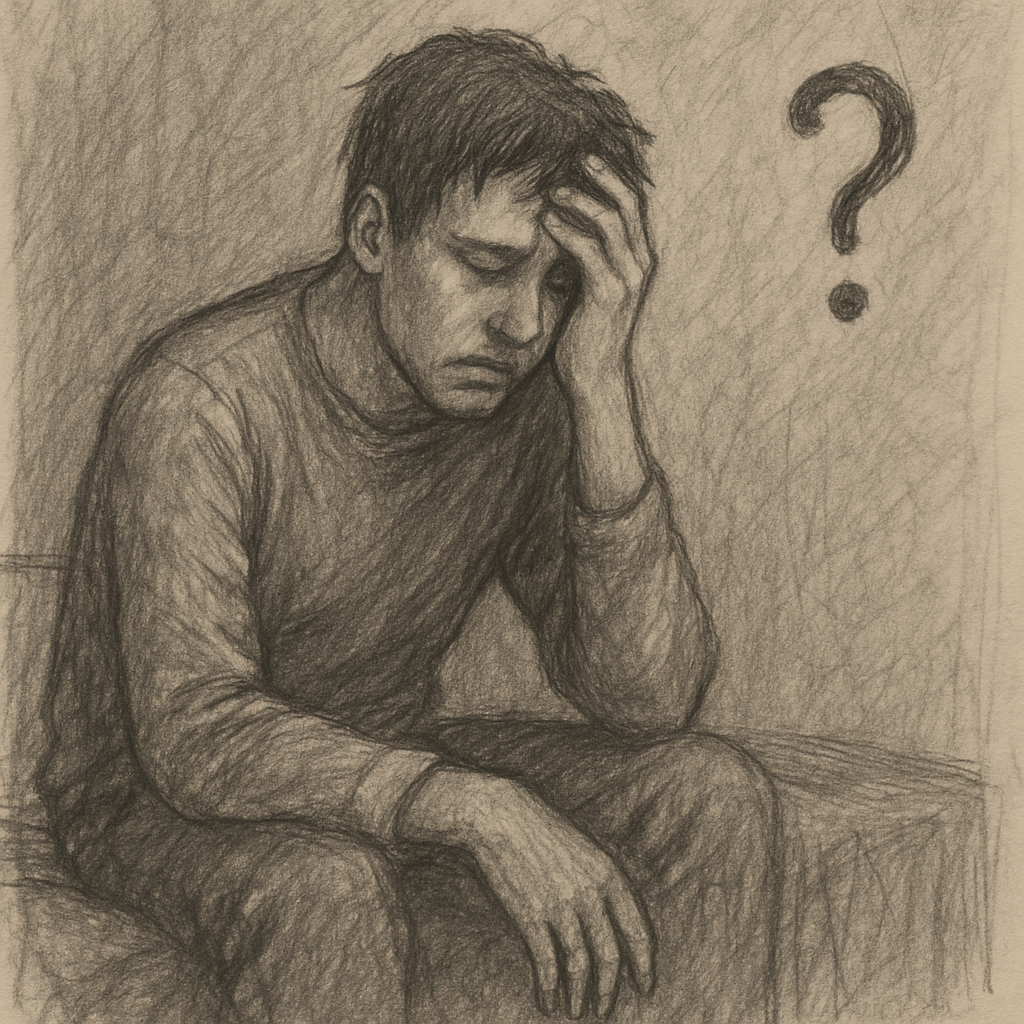
Understanding Depression, Anxiety, and Bipolar Disorder
What Are These Conditions?
Are you or a loved one suffering from depression and anxiety, or bipolar and mood disorder? Depression is a complex mood illness; MDD, or major depressive disorder, is defined by major depressive disorder symptoms—typically 5 symptoms of depression. Causes of depression and other mood illnesses can vary, and the reason for depression may involve biological, psychological, or social factors. When symptoms persist, clinicians may consider chronic depressionas part of a broader depressive disorder. Some people refer to this as mental health depression or even use everyday phrases like “depression is a disease,” though we usually describe it as a mood condition.
Symptoms and Overlap
Sometimes the symptoms of being depressed are masked by other presenting concerns, making the signs and symptoms of depression difficult to spot, especially when juggling the demands of life. Anxiety and depression symptoms can overlap and blur the picture, and mental depression symptoms may include sleep or appetite changes, low energy, and difficulty concentrating. People often notice signs of low mood or moody depression before recognizing the full depression symptoms. In short, the symptoms of being depressed can look different from person to person.
Bipolar Disorder at a Glance
Bipolar mood disorder symptoms can cause mood instability with highs and lows that go beyond normal day-to-day experiences and typical bipolar moods. Bipolar disorder is a mood disorder (bipolar is a mood disorder), and clinical features vary between hypomanic symptoms (type II) and more severe bipolar episodes (type I), sometimes involving psychosis symptoms. Many people initially ask, “Bipolar disorder—what is it?” or search “bipolar disorder what is” when seeking clarity. Below the surface are bipolar mood disorder signs and symptoms that can resemble major depressionduring the low phases. If you have questions about bipolar I (or bipolar i) versus bipolar II, we can help clarify.
Challenges in Diagnosis and Treatment
Why Symptoms Can Be Hard to Spot
Severe depression symptoms can be debilitating, affecting every domain of life. Regardless of the reason for depression, major depression symptoms can wreak havoc for depressed people and those who care about them. Depression issometimes described as a depression disease in everyday language, but clinicians focus on the patterns of an affective mood disturbance and how it impacts functioning.
Diagnostic Complexity
Depression is the most common mood disorder driving people to seek mental health treatment. It can be hard to distinguish:
Anxiety symptoms vs. depression symptoms
How these differ from bipolar I and II presentations
When overlapping conditions are present
These factors add to the difficulty of receiving the right diagnoses and treatment, especially when major mood changes and mood dysfunction are also present.
Treatment Considerations
Bipolar type II can sometimes be managed with psychotherapy alone.
Bipolar I treatments often involve working with therapists and a prescribing psychiatrist; bipolar I disorder treatments typically include medication plus therapy.
For depressive episodes, a tailored depression treatment plan addresses the most common mood disorderpresentations while accounting for co-occurring anxiety depression.
Our Approach and How to Get Started
Why Choose Contemporary Behavioral Therapy
At Contemporary Behavioral Therapy, we understand how hard it can be to find a provider knowledgeable in clinical depression symptoms, with the experience to discern nuances and identify subtle signs. Receiving the correct diagnosis is vital to finding effective treatment during a mental health crisis, and so is finding a provider you trust to continue through hard times. We are experienced and skilled in diagnosing depression and anxiety, including when conditions overlap.
How We Help
We utilize an eclectic academic and training foundation to provide contemporary care for safe and effective depression treatment, even in cases of refractory or treatment-resistant depression or chronic depression.
Services and Locations
Licensed in Texas and Tennessee
In-person mental health care for residents in the Spring, TX area (often searched as Spring TX)
Virtual services throughout Texas and Tennessee
Not Local? We Can Still Help
If you see in yourself the signs of being depressed and are not local—perhaps searching for a “therapist near me” but having trouble finding the right provider—we can help. If you’re seeking guidance on depression and anxiety or the clinical features of bipolar mood disorder, we are here to clarify symptoms and options. Many people also search phrases like “anxiety depression,” “mood list psychology,” “bipolar disorder what is,” “spring city texas,” or even “signs of low mood and depression therapist near me” when they are unsure where to begin.
Getting Started
Call us today to begin your mental health healing journey. We are happy to answer your questions and offer free consultations so you can determine if our services are right for your unique situation. When you schedule your intake appointment, we want you to feel confident in your mental health treatment and in the plan for major depression, anxiety depression symptoms, and related mood condition care. If bipolar concerns are present, we’ll discuss appropriate next steps and referrals, including collaboration for bipolar I disorder treatments when indicated.